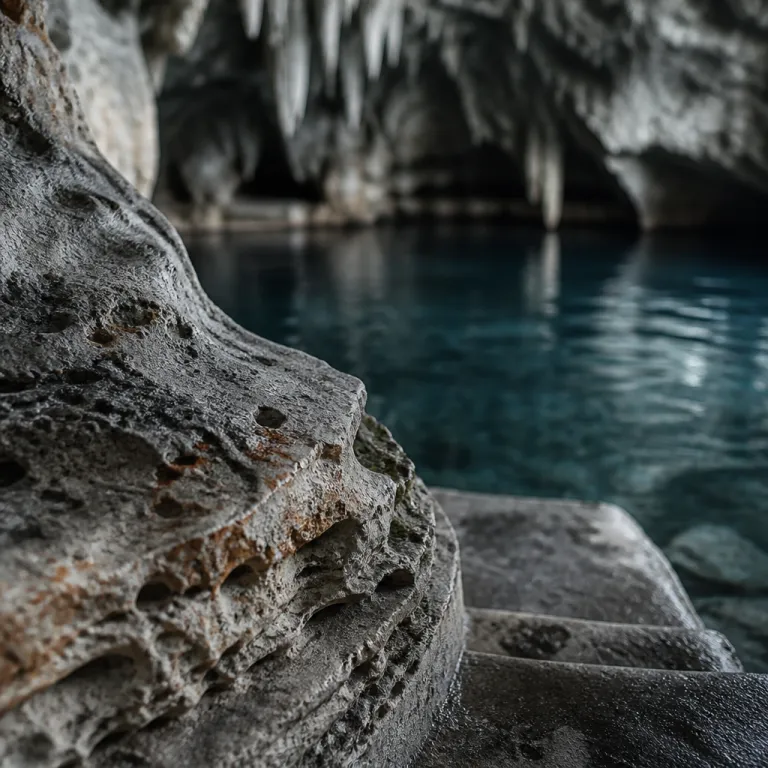
Designing a best cenotes Yucatan swimming guide for luxury families
The Yucatán Peninsula holds thousands of cenotes, yet only a fraction suit premium family travel. A thoughtful cenotes Yucatan swimming guide now starts with your hotel, because luxury properties in Mexico increasingly curate private drivers, vetted guides, and timed entries that turn a crowded sinkhole into a quiet, choreographed swim. For families with kids, this shift from improvised visiting to hosted experiences is the difference between a rushed stop and a half day that feels like a private aquatic club carved into limestone.
At its core, a cenote is a natural sinkhole exposing groundwater, and the region’s cenotes Yucatan network ranges from shallow open pools to deep cave systems that connect for kilometres underground. Local experts summarise it clearly in the official guidance from Quintana Roo’s tourism board, which defines a cenote as a natural sinkhole exposing groundwater and notes that cenotes are safe for swimming with proper precautions. When you are planning a route from Tulum to Valladolid or from Playa del Carmen to Chichén Itzá, those precautions—life jackets, supervision, and choosing appropriate depths—become your main filter for selecting the safest cenotes for your family.
Luxury travellers now expect their cenote itinerary to read like a sommelier list, not a backpacker forum. You might pair a morning at Gran Cenote near Tulum, where turtles glide through crystal clear water and depths range roughly from 1 to 10 metres, with an afternoon at Cenote Saamal outside Valladolid, which offers a semi open cylinder of water framed by jungle and typical depths of about 3 to 8 metres. A well designed circuit also folds in cultural stops such as Chichén Itzá, so that kids understand how cenotes shaped Maya life rather than seeing them as just another swimming hole.
For guests booking premium hotels through curated platforms, the cenote question now sits alongside room category and spa access. Families ask which properties integrate cenotes Yucatan experiences into their concierge playbook, and which can secure early visiting slots before the tour buses arrive. When you see a hotel offering tailored adventure packages, you are really seeing a personalised cenote swimming guide in disguise, priced in MXN and translated into private transfers, life jackets, and guides who know exactly how deep each platform feels for a nervous eight year old.
Three cenote types: matching open, semi open and cave to your swimmers
Not all cenotes are created equal, and understanding the three main types is the backbone of any serious Yucatan cenote guide for families. Open cenotes resemble natural pools or small lakes, with broad surfaces of crystal clear water and sunlight that reassures kids and first time swimmers. Semi open cenotes form vertical cylinders or partially roofed bowls, while full cave cenotes hide their water in deep underground chambers lit only by shafts of light.
Open cenotes such as Cenote Azul near Playa del Carmen or Cenote Zací in Valladolid work beautifully for cenotes kids itineraries, because parents can see the entire swimming area at a glance. Platforms step gently into the water, there are usually shallow shelves from about 0.8 to 1.2 metres, and life jackets are often included in the entrance fee or available for a small MXN supplement. These are the family friendly workhorses of the Yucatán Peninsula, and many luxury hotels near Playa del Carmen or Tulum build them into half day excursions that pair swimming with relaxed lunches.
Semi open cenotes like Cenote Saamal or the photogenic Cenote Suytun near Valladolid offer a more theatrical sense of place. Here, the water can be surprisingly deep even close to the central platform, often dropping to 4–8 metres, so a good guide will brief kids carefully and insist on life jackets for younger swimmers. When you book premium hotels in Mexico that specialise in exceptional experiences, often through curated platforms focused on reserving premium hotels in Mexico with exceptional experiences, you will see these semi open cenotes framed as signature stops for families with older children who want drama without full darkness.
Cave cenotes such as Cenote Xkekén, the Cuzamá cenotes, or the famous Dos Ojos system near Tulum demand more planning and a higher comfort level. The water is usually very clear but can feel intimidatingly deep, commonly 10 metres or more, and access often involves steep stairs or narrow passages that are not ideal for very young kids. A trustworthy cenote swimming guide for the Yucatán will flag which cave locations are better for confident teens and which remain suitable for mixed age groups, so that your time underground feels like an adventure rather than an ordeal.
Private reserves, public pools and the price of quiet water
As cenotes have moved into the luxury mainstream, a new model has emerged alongside traditional community run pools. Private reserves such as Reserva Jaguar now offer exclusive access to cenotes Ix Balam and Yum Balam, bundling a personal guide, driver, and premium snorkelling gear into a single entrance fee that is significantly higher than public sites but delivers a very different experience. For families used to private villas and club level lounges, this is where a curated cenotes Yucatan itinerary starts to feel aligned with their usual travel style.
Public cenotes like Gran Cenote, Cenote Calavera, or Cenote Zací remain essential stops on any Yucatán Peninsula route, especially around Tulum and Valladolid. Gran Cenote is widely praised as family friendly, with turtles visible even without snorkelling gear and clear signage about water depth and life jackets. In contrast, Cenote Calavera near Tulum is more of a thrill stop, with jump holes into deep water that suit confident swimmers rather than small kids, so a good guide will often steer families toward calmer favorites first.
The premium you pay in MXN for private access buys three things: time, space, and narrative. With a private driver, you can visit early or late, avoiding the peak visiting hours when tour buses from Playa del Carmen and Tulum crowd the platforms and churn the water. With a dedicated guide, kids hear stories about how cenotes once connected Maya settlements and why some cave systems still link to the sea, turning a swim into a living geography lesson.
Luxury hotels along the Riviera Maya increasingly weave these options into their adventure packages, sometimes pairing cenotes Tulum excursions with spa rituals or temazcal ceremonies back at the property. Fairmont Mayakoba, for example, integrates cenote culture into its wellness programming, showing how water, ritual, and landscape shape a stay as much as room design. One local guide near Valladolid summed it up simply: “Families come for the photos, but they remember the silence underground,” a reminder that quiet water can feel as indulgent as any resort pool.
Family logistics: depth, gear and routes from Tulum to Valladolid
For premium families, the difference between a stressful outing and a highlight often comes down to logistics. A reliable Yucatan cenote travel guide will spell out water depth ranges, stair conditions, and minimum ages recommended by local operators, rather than relying on vague “family friendly” labels. When you are travelling with kids, you want to know whether a location cenote has railings, whether the platforms are slippery, and how long little legs will spend on steps carved into rock.
On the Tulum side, Gran Cenote and Cenote Azul are strong first stops for cenotes kids itineraries, thanks to their mix of shallow areas and deeper sections where older children can test themselves. Many families treat 6–7 years as a sensible minimum age for independent swimming here, with younger kids staying close to adults. Dos Ojos, by contrast, is better reserved for a second or third day, once everyone is comfortable with cave style swimming and understands how to use snorkels and life jackets properly. A good driver guide will often start with open cenotes Tulum options, then graduate families to semi open or cave systems as confidence grows.
Moving inland toward Valladolid, Cenote Zací in town and Cenote Saamal just outside offer easy access and clear signage about entrance fee structures in MXN, locker rentals, and life jacket policies. From here, you can extend the circuit to Cenote Xkekén and the Cuzamá cenotes, which introduce kids to more atmospheric cave environments without the technical demands of full diving sites. Many luxury hotels in Mexico now package this as a full day that also includes a guided visit to Chichén Itzá, so that families see how sacred water and monumental architecture shaped regional life.
For multi day stays, some travellers anchor themselves in Playa del Carmen or Tulum and then book tailored excursions through platforms that specialise in anniversary worthy stays and curated experiences. These services help you sequence your favorite cenotes so that no single day feels rushed, balancing driving time with relaxed swimming and long lunches. When the planning is handled well, kids remember not the transfers but the feeling of cool water after hot ruins, and parents remember how effortless the logistics felt from the first hotel pickup.
How luxury hotels turn cenote circuits into signature experiences
High end hotels across the Yucatán Peninsula now treat cenotes as core to their identity, not just optional excursions. Properties near Playa del Carmen, Tulum, and Valladolid work with local communities, conservation groups, and private reserves to secure timed entries, bilingual guides, and safety standards that match their own. For guests booking through a premium focused platform, the cenotes Yucatan swimming guide often arrives as a personalised itinerary in the pre arrival email, complete with suggested time slots and estimated entrance fee totals in MXN.
Some resorts, such as Fairmont Mayakoba, fold cenote culture into broader wellness and ritual programs, pairing temazcal sessions with swims in nearby cenotes that highlight the role of water in Maya cosmology. Others partner with operators like Reserva Jaguar to offer private access to cenotes Ix Balam and Yum Balam, where the only sounds are dripping cave ceilings and your own family’s laughter. In both cases, the hotel’s concierge team becomes the editor of your cenote route, filtering options so that every visit feels intentional.
For families, the most successful packages treat cenotes as chapters in a story that runs from coast to interior. One day might focus on cenotes Tulum, with Gran Cenote and Cenote Calavera offering contrasting moods of gentle and bold, while another day explores Valladolid’s Cenote Zací and the photogenic Cenote Suytun. Along the way, guides explain how some cave systems still connect underground, how water levels shift with seasons, and why life jackets remain non negotiable for younger kids even in apparently shallow pools.
When you choose hotels through a curated site, you are effectively choosing an editorial stance on Mexico itself. Some properties lean into party heavy Playa del Carmen energy, while others emphasise quiet, family friendly circuits that pair cenotes with long lunches and cultural stops. The most memorable stays are those where your favorite cenotes become part of the hotel’s narrative, woven into anniversary stays, multi generational reunions, and return visits that trace new lines across the peninsula each time.
Practical planning: light, safety and building your own circuit
Once you understand the types of cenotes and the hotel landscape, the final step is building a circuit that matches your family’s rhythm. Early morning generally offers the best light for photography in open cenotes, while mid morning works well for cave systems where shafts of sun pierce the darkness. Late afternoon can be magical but often coincides with peak visiting hours, so a thoughtful cenotes Yucatan swimming guide will stagger popular sites with quieter stops.
Safety starts with honest conversations about swimming ability and comfort with depth and enclosed spaces. Even strong swimmers can feel unsettled when they first lower themselves into deep, crystal clear water where the bottom vanishes into blue, so guides often suggest starting with shorter swims and building up time in the water. Life jackets should be non negotiable for kids and recommended for adults in cave cenotes, not because the sites are unsafe but because they allow you to relax and focus on the experience rather than constant treading.
From a packing perspective, families should bring well fitting swimwear, water shoes, and simple snorkelling gear, even when premium tours promise equipment. Cash in MXN remains essential for entrance fee payments at community run cenotes, locker rentals, and tips for local guides who share stories that bring the landscape to life. Many travellers also carry light towels and dry bags, especially when moving between multiple cenotes Yucatan wide in a single day.
Finally, remember that a cenote circuit is not a checklist but a narrative that can stretch across several trips. One visit might focus on the corridor between Tulum and Playa del Carmen, another on the Valladolid and Chichén Itzá axis, and a third on more remote cave systems accessed through private reserves. Over time, your own Yucatan cenote family guide will evolve from a list of names into a family mythology, where each location cenote holds a story, a photograph, and a shared memory of cool water under hot Mexican skies.
FAQ: planning a luxury family cenote circuit in the Yucatán Peninsula
What is a cenote and why are they important in the Yucatán Peninsula ?
A cenote is a natural sinkhole that exposes groundwater through collapsed limestone, creating pools of clear, cool water. In the Yucatán Peninsula, cenotes once served as vital freshwater sources and sacred sites for Maya communities, and many still connect through underground cave systems. Today they anchor eco tourism, swimming routes, and conservation efforts that support local communities across Mexico.
Are cenotes safe for kids and family swimming ?
Cenotes are generally safe for kids when families choose appropriate locations, use life jackets, and follow guide instructions. Open and semi open cenotes with shallow shelves, such as Cenote Azul, Gran Cenote, or Cenote Saamal, are usually better for younger swimmers than very deep cave systems. Parents should always check water depth, stair conditions, and entrance fee signage, and consider hiring a guide for cave style cenotes.
Do I need a guide to visit cenotes near Tulum, Valladolid or Playa del Carmen ?
Many cenotes near Tulum, Valladolid, and Playa del Carmen can be visited independently, especially open pools with clear facilities and signage. A guide becomes highly recommended for cave cenotes, multi stop circuits, or when combining cenotes with archaeological sites such as Chichén Itzá. Luxury hotels and specialised booking platforms often arrange vetted guides who handle timing, safety briefings, and transport in MXN priced packages.
How much do cenote entrance fees usually cost and what is included ?
Entrance fees for cenotes vary widely, from modest community run pools to higher priced private reserves that include guides and equipment. In many public cenotes, the basic fee in MXN covers access to the water, with life jackets, lockers, and snorkelling gear available at extra cost. Premium tours and hotel organised excursions often bundle transport, entrance fees, and gear into a single rate, which simplifies planning for families.
When is the best time of day to visit cenotes on a luxury itinerary ?
Early morning is usually the best time to visit popular cenotes, because the water is calmer, the light is softer, and crowds are thinner. Midday can be ideal for cave cenotes where sunbeams penetrate openings, creating dramatic shafts of light in deep water. Luxury travellers often work with hotel concierges or private guides to stagger visits across the day, balancing photography, comfort, and driving time between sites.