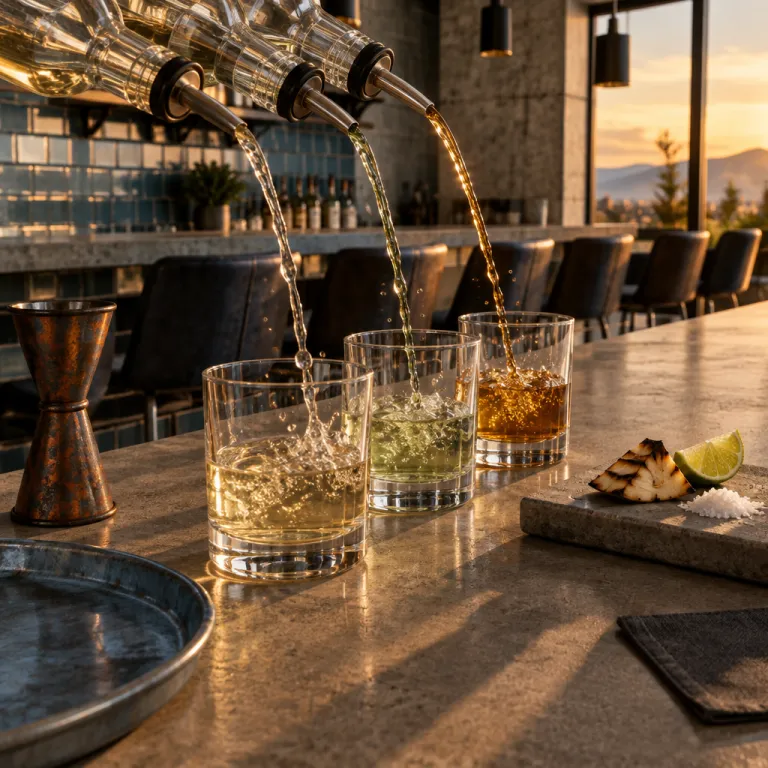
Why agave spirits now define serious hotel bars in Mexico
Walk into any luxury hotel bar in Mexico and the backlit shelves will usually glow with tequila and mezcal. The real test of authority today is whether that same bar also treats lesser known agave spirits such as raicilla, sotol and bacanora as essential parts of the main content rather than decorative curiosities. For guests who care about origin production, regional nuance and genuinely Mexican flavor, the agave spirits Mexico hotel bar has become a quiet but decisive filter when they choose where to stay.
High end hotels once leaned on champagne towers and imported whisky to signal status, yet the best properties now build a curated selection of Mexican spirits that reads like a liquid map of the country. A serious hotel will present agave spirits from Jalisco, Chihuahua, Sonora and Durango side by side, explaining how different agave plants and desert shrubs shape each spirit and its taste. When you find this level of detail on a hotel or booking site, you are looking at a team that understands that the bar is no longer an amenity but a core part of the travel experience for curious drinkers.
For a solo explorer planning a stay, the agave spirits Mexico hotel bar is a fast way to gauge whether marketing promises match reality. If the menu lists tequila, mezcal and one lonely sotol without context, you can safely skip content about “local flavor” in the brochure and skip main claims about authenticity. When a property instead offers guided tasting flights, clear notes on origin production and staff who can speak about specific agave plants, that hotel is treating Mexican spirits as culture rather than trend and giving guests a richer, place based experience.
From Jalisco to Chihuahua: mapping agave and desert plant spirits
Understanding the geography behind agave spirits turns a simple drink at the bar into a deeper encounter with Mexico. Tequila must come from specific regions such as Jalisco and parts of Guanajuato and Nayarit, and it is made from the blue agave plants that dominate those volcanic highlands. Mezcal stretches wider across Mexico, with Oaxaca as its spiritual capital, and each mezcal spirit reflects the wild or cultivated agave plants that thrive in its own valley or sierra and shape the final taste.
Raicilla, once a clandestine spirit from coastal and mountain Jalisco, now appears in forward thinking hotel bars from Mexico City to the beach towns of Nayarit and San José del Cabo, bringing a herbal, sometimes smoky taste that feels more untamed than many tequilas. Sotol, technically distilled from the desert spoon plant rather than agave, carries the dry winds of Chihuahua, Durango and Coahuila, and a good sotol tasting in a hotel lounge can feel like a shortcut to the northern desert without leaving your seat. Bacanora, the proud spirit of Sonora, often shows a lean, mineral profile that pairs beautifully with seafood, which is why you increasingly find it on menus at coastal hotels that take Mexican spirits seriously and want guests to taste the region.
When you read a hotel site or booking page, look for this kind of regional precision in the way they present agave spirits and other local drinks. A property that simply lists “mezcal” without naming the state, village or producer is not offering the same level of experience as one that explains origin production and highlights small palenques or vinatas. If you are planning a road trip along the Pacific, pairing a stay with the coastal food and drink trail described in guides to eating down Baja’s Pacific coast can turn each bar visit into a chapter of your wider travel story and help you find the best spirits along the way.
How to read an agave focused hotel bar menu
The first thing to scan on any agave spirits Mexico hotel bar menu is structure. A thoughtful hotel will separate tequila, mezcal, raicilla, sotol and bacanora into clear sections, often grouped by region or agave plants, rather than burying everything under a generic “Mexican spirits” heading. This kind of curated selection signals that the bar team has built a program, not just a collection of bottles, and that they want guests to navigate the menu as easily as a travel map.
Next, look at how much information each listing gives about origin production and style, because this is where serious hotels distinguish themselves from casual beach bars. A strong menu will name the state, the village, the producer and sometimes even the maestro, along with whether the spirit is made from a single agave or a field blend and how it was cooked and distilled. When a hotel in Playa Mujeres or the Riviera Maya combines this level of detail with thoughtful food pairings, as seen in some elegant escapes at all inclusive resorts, you know the bar is designed for tasting rather than just quick margaritas and that the experience is meant to be savored.
Finally, pay attention to how the bar invites guests to taste and learn, since this shapes your overall experience of the hotel. Look for flights that compare tequila and mezcal with raicilla or sotol, or a guided tasting that walks you from lowland agave spirits to highland expressions and then to desert plant distillates. If the menu encourages you to skip content free gimmicks and instead engage with the main content of Mexican spirit culture, you have probably found one of the best hotel bars in the area and a place where every glass feels connected to the land.
What separates a serious agave program from a pretty back bar
Plenty of hotels in Mexico now line their shelves with tall, photogenic bottles, yet only a fraction run a truly serious agave spirits program. The difference usually starts with sourcing, because a committed hotel bar will work directly with small producers and independent importers rather than relying solely on mass market tequila and mezcal brands. When you see lesser known raicilla, sotol and bacanora labels alongside the classics, you are looking at a bar that has done the hard work of finding distinctive spirit makers and building a thoughtful agave spirits experience.
Provenance is the next marker, and it shows up in how the hotel talks about its spirits on the site and in person, not just in how the bottles look on the shelf. A strong agave spirits Mexico hotel bar will train its équipe to explain origin production methods, from earthen pit roasting to above ground ovens, and to connect each technique to the final taste in your glass. This is where properties that reinvent the lobby as a social hub, such as those profiled in analyses of Mexico’s original design forward hoteliers, often excel because they treat the bar as a storytelling space where guests can explore Mexican spirits in depth.
Finally, a serious program respects both the guest and the land, which means encouraging responsible tasting and highlighting sustainable practices around agave plants and desert flora. Expect measured pours in proper copitas, clear guidance on pacing a tasting flight and honest conversations about overharvesting and fair pay for mezcaleros and sotoleros. When a hotel invites you to skip main marketing clichés and instead engage with the real main content of Mexican spirit culture, it is offering more than drinks; it is offering a grounded, ethical experience that fits the values of modern travel.
Tasting, traveling and pairing your stay with the land
For many travelers, the most memorable hotel bar moments in Mexico happen when tasting and travel plans intersect. A well designed agave spirits Mexico hotel bar will not only pour tequila, mezcal, raicilla, sotol and bacanora but also help guests connect those spirits to nearby landscapes, palenques and vinatas. This is where the bar becomes a concierge for deeper experience rather than just a place to sit before dinner, guiding you toward the best local producers and regional flavors.
In Oaxaca, a hotel might arrange a day trip to a family run mezcal palenque after an evening tasting that introduces different agave plants and production styles, allowing you to see the same spirit move from field to fermenter to bar. In northern Mexico, properties in Chihuahua or Durango can pair a sotol tasting with excursions into the desert, where you learn how the plant grows and why its origin production is distinct from agave based spirits. Coastal hotels near San José del Cabo or along the Riviera Nayarit beach may focus on pairing bacanora or raicilla with seafood, turning each tasting into a lesson in how regional spirits and local ingredients echo one another and deepen your sense of place.
When you plan your trip on a booking site, look for hotels that speak clearly about these kinds of integrated experiences rather than just listing “agave spirits” as a generic amenity. The best properties will help you find balance between indulgence and responsibility, suggesting water breaks, food pairings and safe transport after tastings so that the spirit in your glass enhances rather than overwhelms your travel. In a country where every region has its own story, the right hotel bar can quietly guide you from one chapter to the next, one measured copita at a time, turning each stay into a small, personal journey through Mexico’s agave heartlands.
FAQ
How can I tell if a hotel bar takes agave spirits seriously ?
Look for a menu that separates tequila, mezcal, raicilla, sotol and bacanora, lists producers and regions and explains origin production methods in clear language. A serious bar will offer guided tasting flights, use proper glassware and train staff to talk about agave plants and desert flora with confidence. If the hotel site highlights small producers, educational tastings and a curated selection of Mexican spirits rather than just cocktails, you are likely in good hands.
Are raicilla, sotol and bacanora stronger than tequila or mezcal ?
Most raicilla, sotol and bacanora bottlings sit in a similar alcohol range to many artisanal tequilas and mezcals, often between 40 and 50 percent. What feels different is the flavor profile, because each spirit reflects its own plants, soils and production techniques. Responsible hotel bars will pour measured servings, encourage guests to pace tastings with water and food and help you find the right level of intensity for your comfort.
What should I order if I am new to agave spirits beyond tequila ?
Start with a tasting flight that includes one tequila, one mezcal and one lesser known spirit such as sotol or bacanora, ideally from different regions of Mexico. Ask the bartender to explain the agave plants or desert plants used, the cooking method and the distillation style before you taste. Sip slowly, compare aromas and textures and note which spirit feels most balanced to you so you can explore similar bottles later in your travels.
Can I visit distilleries or palenques from my hotel ?
In many regions, yes, especially around Oaxaca for mezcal, Jalisco for tequila, Chihuahua for sotol and Sonora for bacanora. The concierge or bar team at a well connected hotel can often arrange visits to reputable producers that welcome guests safely and respectfully. Always choose guided visits that prioritize responsible tourism, fair treatment of local communities and a clear explanation of origin production on site.
Is it better to drink agave spirits neat or in cocktails at hotel bars ?
For small batch tequila, mezcal, raicilla, sotol and bacanora, tasting neat in a copita or small glass lets you appreciate the full character of each spirit. Once you understand the flavors, cocktails become a way to explore how citrus, herbs or bitters interact with different agave spirits and highlight specific notes. A thoughtful hotel bar will usually offer both neat tastings and a concise cocktail list built around its strongest bottles so that every guest can choose their ideal experience.