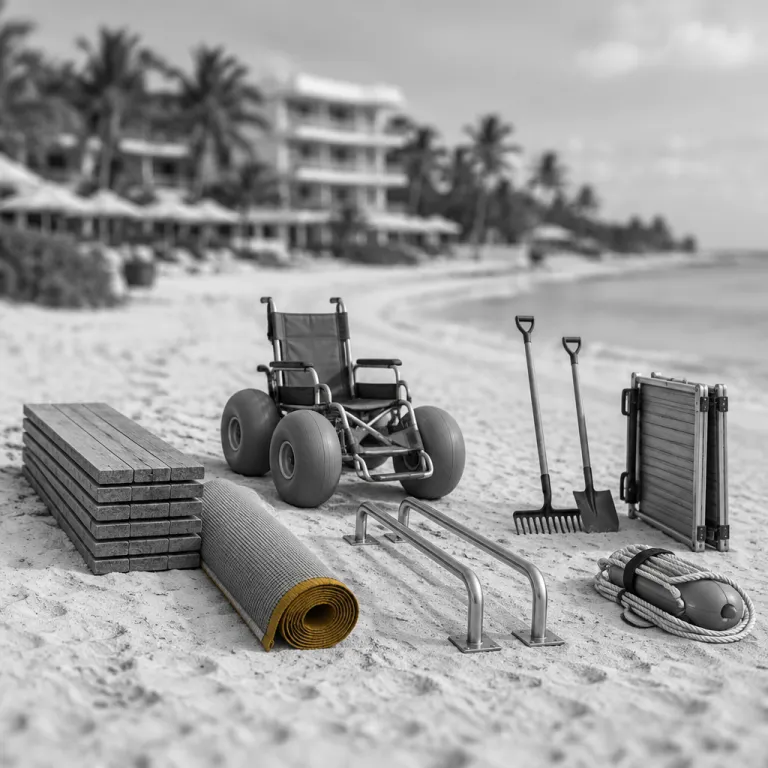
How Tulum beach access improvements are changing luxury coastal stays
Tulum beach access improvements are reshaping how luxury travelers plan their stay along this Caribbean shoreline. As new access points open and older routes are reorganized, high-end hotels must align guest services with updated rules for the Tulum archaeological zone and the surrounding protected areas. This shift affects where you sleep, how you reach the beach, and which stretches of sand feel genuinely serene.
Along the main coastal strip of Tulum, public access to the beach has historically been fragmented and confusing. Some stretches of Tulum beaches felt almost private, even though Mexican federal law defines beaches as public property up to the high tide line, with a right of way for visitors (Ley General de Bienes Nacionales, last reformed 2020; see Article 7). Recent efforts by local and federal authorities to clarify each access point and regulate vehicles near the shoreline are slowly opening a wider window of opportunity for both local residents and international visitors.
For travelers booking luxury hotels, the key change is how clearly each property now communicates its beach access. You should expect precise information about the nearest public beach entrance, whether the access point is free, and how far it is located in meters or approximate walking minutes from your suite. When a hotel explains its beach access points in detail—on its website, confirmation email, or at check-in—it offers a glimpse of its overall transparency and respect for the coastal environment.
The Tulum archaeological zone, including the famous Tulum ruins above the sea, also influences where premium hotels cluster. Properties located kilometer after kilometer along the coast must respect environmental rules that protect turtles, dunes, and the archaeological area, overseen by the Instituto Nacional de Antropología e Historia (INAH). As authorities refine access regulations around Tulum, hotels that adapt quickly—by adjusting shuttle routes, parking, and guest information—tend to offer smoother logistics and quieter beaches for their guests.
Many travelers still assume that every playa in Tulum is equally easy to reach. In reality, some beaches Tulum offers are accessed through narrow paths with limited signage, while others sit beside wider corridors that function almost like a coastal park. Understanding these nuances before you book helps you match your expectations with the real rhythm of the Caribbean shore and avoid surprises about crowds, noise, or walking conditions.
Mapping Tulum’s new access points for premium seaside retreats
Choosing a luxury hotel in Tulum now starts with reading the map of beach access points as carefully as the spa menu. The most desirable properties explain whether you will walk through a landscaped path, a designated public access corridor, or a shared entrance beside a neighboring resort. This clarity matters when you want a calm sunrise swim rather than a crowded midday scene filled with day visitors and delivery vehicles.
On the northern side near the Tulum archaeological zone, the main south entrance to the ruins doubles as a reference point for many travelers. From this south entrance, you can reach both the Tulum ruins and several stretches of public beach that sit below the cliffs. Hotels that provide shuttle service or coordinated transfers to this area make it easier to combine culture, beach access, and fine dining in a single relaxed day without worrying about parking or traffic bottlenecks.
Farther along the coast, some sections function almost like a linear park, where public beaches and hotel frontages alternate. In these segments, each access point is crucial for both local residents and international visitors who may not know where a public beach begins or ends. When a hotel concierge marks these access points on a printed or digital map and explains any seasonal restrictions, it opens a window of understanding that reduces confusion and tension at the shoreline.
Luxury travelers comparing seaside retreats in Mexico often weigh Tulum against other destinations such as Los Cabos. If you are planning a ceremony or event, you might review a detailed guide to a seaside wedding resort in Cabo while also studying how Tulum beaches handle public access. Tulum beach access improvements are making it easier to design multi-destination itineraries where each stop offers a different balance of privacy, openness, and cultural context.
As regulations evolve, some hotels now highlight their proximity to clearly marked public beaches Tulum authorities maintain, such as sections of Playa Paraíso and Playa Pescadores. A property located a kilometer or two from the busiest zone may offer a quieter walk to the sand through a shaded path, while still remaining within a short drive of the archaeological entrance. Others emphasize that their beach access is fully step free, which matters for families, older visitors, wheelchair users, and anyone carrying wedding attire or photography equipment.
When you evaluate Tulum beach access improvements, pay attention to how hotels describe the surrounding area, not just their own frontage. A refined property that collaborates with neighbors to maintain clean public beaches and respectful access corridors usually delivers a more harmonious guest experience. That cooperation between private comfort and public responsibility is becoming a defining feature of premium seaside retreats here.
From Tulum ruins to the shoreline: integrating culture, nature, and luxury
One of Tulum’s rare strengths is the way the Tulum archaeological site rises directly above the Caribbean Sea. The Tulum ruins sit within a protected archaeological zone managed by INAH, and any beach access improvements nearby must respect both cultural heritage and fragile coastal ecosystems. For luxury travelers, this means your stay can blend historical depth with refined seaside comfort when planned carefully around official visiting hours and recommended routes.
Hotels that understand the rhythm of the archaeological zone often design itineraries that start with an early walk among the temples, before the heat and crowds peak. After visiting the Tulum archaeological site, guests can descend toward nearby beaches Tulum offers, where the water below the cliffs feels especially vivid. When beach access is well signposted and managed—with clear indications of public entry points and protected nesting areas—this transition from stone to sand becomes smooth rather than stressful.
Some premium properties now coordinate guided visits that include both the Tulum ruins and quieter public beaches south of the main entrance. These curated experiences highlight how each access point, whether public or shared with a hotel, shapes the flow of visitors along the coast. For many international visitors, this is their first direct encounter with how Mexican law balances public beach rights and private development, and how conservation rules can limit where new paths or parking lots are built.
Travelers who appreciate cultural context often compare Tulum with other Mexican coastal cities that mix heritage and sea views. If you are considering a refined stay in Cancún, for example, you might read about an elegant seaside retreat in Cancún while also planning a day to visit Tulum. Understanding how each destination manages public access to the beach—through signage, patrols, and zoning—helps you choose where to linger longer.
In the Tulum area, many hotels now provide detailed guidance on how to reach the archaeological zone without contributing to congestion. They may suggest specific time slots, alternative routes that avoid peak traffic, or combined transfers that link your suite, the south entrance, and nearby public beaches. These thoughtful logistics are part of the broader Tulum beach access improvements that quietly elevate the overall travel experience and reduce pressure on sensitive areas.
When you book, look for properties that explain not only how to visit Tulum ruins but also how they support conservation. A hotel that invests in dune restoration, signage for public access, and respectful pathways to the playa usually offers a more meaningful stay. This alignment between cultural respect and beach access planning is where luxury in Tulum now truly begins.
Jaguar park, protected zones, and what they mean for beach access
Beyond the shoreline, the creation of the Parque Nacional Jaguar (Jaguar National Park), often called Jaguar Park, has added a new layer to Tulum beach access improvements. This protected area, officially decreed as a national park in 2022 by the Mexican federal government, surrounds much of the Tulum archaeological zone and extends toward the jungle, shaping how new roads and access points can be built. For travelers, Jaguar Park represents both a conservation success and a practical factor in how you reach the sea.
As Jaguar Park regulations take shape, authorities are defining which corridors will remain open for vehicles and which will prioritize pedestrians and cyclists. This affects how quickly you can travel between your hotel, the archaeological entrance, and different beaches Tulum offers along the coast. Many luxury properties now highlight their proximity to these approved routes, emphasizing shorter transfer times, safer cycling paths, and reduced environmental impact.
For local residents, Jaguar Park and the surrounding protected zone are also about maintaining fair public access to the beach. When new rules clarify where a public beach begins and where sensitive habitats start, they help prevent informal blockages that sometimes frustrated visitors in the past. Clear signage, ranger presence, and defined access paths all contribute to a more predictable experience for everyone, especially during high season.
Some stretches of coastline near Jaguar Park now function almost like an open-air classroom for sustainable tourism. Guides explain how dunes protect inland areas, why certain access points are closed during turtle nesting, and how public beaches can remain free yet well managed through zoning and visitor caps. For international visitors, these explanations open a window onto Mexico’s evolving approach to balancing tourism, conservation, and community needs.
Luxury hotels that operate near Jaguar Park often integrate these themes into their guest programs. You might join a guided walk that starts in the jungle, passes near the Tulum archaeological boundaries, and ends at a quiet playa del sector with carefully managed beach access. These experiences show how Tulum beach access improvements are not only about convenience but also about education, environmental awareness, and respect.
When evaluating seaside retreats, ask how the property engages with Jaguar Park and the broader protected area. A hotel that supports ranger programs, funds signage for public access points, or participates in dune restoration usually offers a more responsible form of comfort. In Tulum, genuine luxury now includes the assurance that your stay supports both cultural heritage and the jaguar’s remaining habitat.
Planning your stay: practical guidance on Tulum’s public beaches
For travelers using a luxury and premium hotel booking website in Mexico, practical details about Tulum’s public beaches matter as much as glossy photos. Before confirming your reservation, study how each property explains its relationship to nearby public beaches and private facilities. This step helps you avoid surprises about walking distances, entrance fees, or crowded access points during peak travel months.
Many of the most appealing Tulum beaches are technically public, even when lined with upscale properties. You will often find a mix of public beach segments, hotel clubs, and day-pass areas sharing the same stretch of sand. Tulum beach access improvements aim to clarify where you can walk freely along the shoreline and where services such as loungers or restaurants require payment, so you can decide how much structure or spontaneity you prefer.
When a hotel states that it is located kilometer one or two from a main public access point, ask for precise walking times and terrain details. A ten-minute walk along a shaded path can feel pleasant, while a longer route beside traffic or uneven surfaces may not suit every guest. Clear communication about each access point, including whether it is free or managed by a concession, is a sign of a trustworthy property that understands modern traveler expectations.
Some hotels now provide digital maps that highlight public access corridors, marked entrances to the playa, and recommended routes for sunrise or sunset walks. These maps often show how to move between different beaches Tulum offers without losing your way among side streets or unmarked paths, and may include estimated walking times. For international visitors unfamiliar with local signage, this guidance opens a window onto the coastline’s real layout.
Luxury travelers who value privacy sometimes prefer properties slightly removed from the busiest public beaches. In these cases, a hotel might offer a shuttle to a quieter public beach or a partnership with a nearby club that manages a limited number of day guests. The balance between public beach rights and curated comfort is central to how Tulum beach access improvements feel on the ground, especially for honeymooners and small groups.
If your itinerary includes other Mexican cities, you may compare Tulum’s coastal logistics with an urban destination near the border. Reading about a luxury urban getaway in Mexicali can highlight how different safety, access, and mobility feel away from the Caribbean. Understanding these contrasts helps you design a trip where each stop offers a distinct rhythm, from public beaches in Tulum to city parks and plazas elsewhere.
Choosing the right seaside retreat on a luxury booking platform
When you browse a luxury hotel booking website for Tulum, the most valuable listings now go beyond room photos and spa descriptions. They explain how Tulum beach access improvements affect your daily routine, from morning swims to evening walks along the playa. This level of detail allows you to align your expectations with the reality of the coastline and avoid misunderstandings about access or noise.
Look for listings that specify the exact distance to the nearest public beach and the nature of the access point. A property located kilometer half from a free public access corridor offers a different experience than one that relies on a narrow, informal path shared with service vehicles. Clear descriptions of whether the beach access is step free, shaded, lit at night, or shared with bicycles can significantly influence your comfort.
Many premium hotels now highlight their role in maintaining clean public beaches and respectful pathways. They may organize regular cleanups, support signage that marks public access points, or coordinate with authorities near the Tulum archaeological zone to manage visitor flows. For guests, these efforts translate into more pleasant walks, clearer routes, and a sense that luxury and responsibility coexist along the same shoreline.
On a well-curated booking platform, you should also find information about how the property connects with cultural sites such as the Tulum ruins. Some hotels include guided transfers to the archaeological entrance, combined with time at nearby beaches Tulum offers below the cliffs. This integration of culture, beach access, and hospitality is a hallmark of thoughtful seaside retreats that respect both history and the sea.
When reading guest reviews, pay attention to comments about public access, noise levels, and the behavior of crowds near the beach. Mentions of respectful local residents, well-managed public beaches, and clearly marked access points often indicate that Tulum beach access improvements are working in that area. Conversely, repeated complaints about blocked paths, unclear rules, or aggressive vendors suggest you should ask more questions before booking.
Ultimately, the best seaside retreat in Tulum is the one whose description matches your personal rhythm of travel. If you value early morning solitude, prioritize properties near quieter public beaches and transparent access information. If you enjoy vibrant tourism zones, choose hotels closer to the main area where public beach life, restaurants, and cultural excursions blend into a lively coastal scene.
Key statistics on Tulum tourism, beaches, and coastal management
- The state of Quintana Roo, which includes Tulum, received more than 20 million tourists in 2022 according to data from the Secretaría de Turismo de Quintana Roo (SEDETUR), showing how intense visitor pressure can be on local beaches and access points.
- Mexico’s federal coastal law defines all beaches as public property up to the high tide line (Ley General de Bienes Nacionales, Article 7), meaning that even in luxury zones, public beach access must be guaranteed in principle for both local residents and international visitors.
- The Tulum archaeological site is among the most visited Mayan ruins in Mexico, with several million visitors reported by the Instituto Nacional de Antropología e Historia (INAH) in recent years (see official statistics at inah.gob.mx), which directly affects traffic and access routes along the nearby shoreline.
- Environmental studies cited by Mexican conservation organizations indicate that coastal dune systems can reduce storm surge impacts by up to 60 percent, which is why controlled access points and protected areas such as Jaguar Park are critical for long-term resilience.
- Tourism authorities in Quintana Roo have reported that a significant share of visitors now seek nature- and culture-focused experiences, encouraging hotels in Tulum to integrate archaeological visits, public beach walks, and conservation activities into their luxury offerings.
FAQ about Tulum beach access improvements and luxury stays
How have Tulum beach access improvements changed the guest experience ?
Tulum beach access improvements have clarified where public beaches begin, how visitors can reach them, and which access points are reserved for environmental protection. For guests, this means clearer directions from hotels, better signage, and fewer surprises when walking from a suite to the shoreline. The overall experience feels more organized, especially near the Tulum archaeological zone and Jaguar Park, where new rules guide vehicle circulation and parking.
Can I stay in a luxury hotel and still use public beaches freely ?
Yes, Mexican law defines beaches as public, so you can walk along the shoreline even in front of high-end properties, as long as you respect local regulations. Luxury hotels in Tulum typically provide direct or nearby access to public beaches, sometimes combined with private services such as loungers or restaurants. You should always ask the concierge to indicate clearly marked public access points and any local rules that apply, including seasonal restrictions.
What is Jaguar Park and why does it matter for beach access ?
Jaguar Park, or Parque Nacional Jaguar, is a protected national park that surrounds much of the Tulum archaeological zone and nearby jungle. Its creation influences where new roads, parking areas, and beach access corridors can be built or improved, and it prioritizes conservation of habitats for species such as the jaguar. For travelers, Jaguar Park helps preserve nature while guiding how you move between your hotel, the ruins, and different sections of the coast.
How far are most luxury hotels from the Tulum ruins and main beaches ?
Distances vary, but many luxury hotels along the coastal road are located kilometer one to several kilometers from the Tulum archaeological entrance, often translating into a 10- to 25-minute drive depending on traffic. Some properties offer shuttles or guided transfers that link the ruins with nearby public beaches and hotel facilities. When booking, check whether walking is realistic for you or whether you prefer organized transport, especially during high season.
What should I ask a hotel about beach access before booking in Tulum ?
Before confirming a reservation, ask the hotel to specify the nearest public beach, the exact distance in meters, and whether the access point is free or managed by a concession. You should also inquire about walking conditions, step-free routes, lighting at night, and any seasonal restrictions related to turtle nesting or conservation. Clear, detailed answers are a strong indicator of a property’s professionalism and respect for both guests and the coastline.