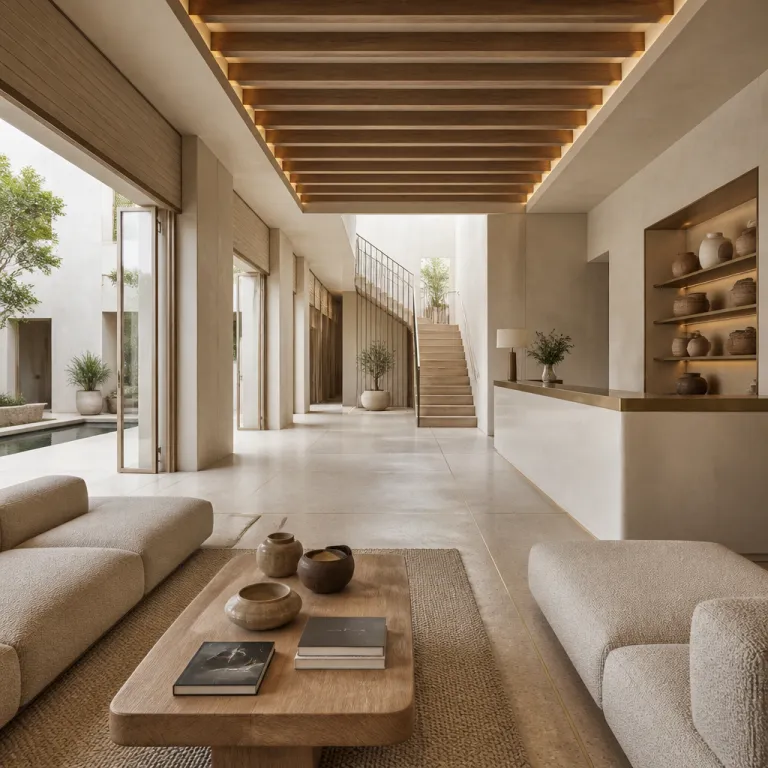
From Polanco experiment to grupo habita hotels mexico benchmark
The story of grupo habita hotels mexico begins in 2000 in Polanco, when the first Hotel Habita in Mexico City quietly rewrote the rules of urban hospitality. Founded in 1994 by Carlos Couturier and brothers Moisés and Rafael Micha, the group chose the capital as its laboratory, proving that a Mexican hotel could lead with contemporary design rather than generic luxury cues. That early Hotel Habita address in an elegant residential district showed that travelers from the United States and beyond would cross the city for a lobby that felt like a gallery, a cocktail bar and a community living room in one.
Over more than two decades, Grupo Habita has grown into a constellation of boutique hotels across Mexico, with 13 core properties in the country and collaborations that have included a former outpost in the United States. The portfolio now stretches from downtown Mexico City to Oaxaca, from La Paz to Puerto Escondido, yet the philosophy remains consistent: each hotel is a one off, never a copy paste. When you check availability for different dates across these hotels, you are not just comparing rooms per night, you are choosing between distinct interpretations of Mexican city life, coastal calm or desert light.
Hospitality Design Magazine naming Grupo Habita “Hotelier of the Year” in 2012 simply confirmed what design pilgrims already knew. What is Grupo Habita known for? Innovative boutique hotels with unique, site specific concepts. That recognition, documented in Hospitality Design’s 2012 awards coverage, matters because it validates a Mexico born grupo that has always refused a rigid brand standards manual, instead trusting local architects, artisans and a sharp curatorial eye to shape each view, each lobby and each rooftop terrace.
The design hotels philosophy: no brand standards, all sense of place
Walk into any Grupo Habita lobby in Mexico City, Oaxaca or La Paz and you feel the same principle expressed differently. The company’s leaders treat each hotel as a canvas for architects and designers, using adaptive reuse, contemporary architecture and local art to create spaces that belong to their street first and the brand second. This is why design hotels enthusiasts talk about Habita Mexico in the same breath as global names, even though the grupo still feels more like a creative studio than a conventional chain.
Instead of rolling out identical rooms, Grupo Habita works with partners such as Plantea Estudio, Zeller & Moye and other design firms to shape each property. In Condesa DF, a 1928 building in a leafy Mexico City neighborhood, the rooms wrap around a central courtyard and the rooftop terrace has become a social ritual for locals. At Círculo Mexicano in downtown Mexico City, multiple courtyards, raw materials and a rooftop pool facing the cathedral show how a hotel can frame the city as its main artwork, not just a backdrop.
This approach extends beyond the capital to boutique hotels in Mexico such as Casa Habita in Guadalajara and Baja Club in La Paz, where mid century lines meet Sea of Cortez sunsets. Travelers comparing premium hotels in Mexico City for refined stays will quickly see how a Grupo Habita property differs from a conventional luxury hotel, especially in the way lobbies double as flexible social spaces. As one repeat guest in La Paz put it, “you come down for a coffee and end up staying three hours because the lobby feels like a friend’s living room, not a passageway to the elevators.”
Urban getaways: which grupo habita hotel suits your travel style
For the solo explorer planning an urban getaway, the key question is not just which city in Mexico to visit, but which Grupo Habita property matches your rhythm. Design pilgrims who travel for architecture and interiors tend to gravitate toward Condesa DF, Círculo Mexicano and Casa Habita, where every stair, tile and courtyard has been considered. Food first travelers might prefer hotels where the restaurant and bar scene pull in the local community, turning each night into a low key party rather than a staged hotel event.
In Mexico City, Condesa DF works for guests who want tree lined streets, galleries and cafés at their doorstep, while Círculo Mexicano suits those who like to wake up inside the historic center’s energy. Both hotels offer compact rooms, strong design and rooftops where you can check the city’s changing light almost hourly, yet the mood differs: Condesa DF feels leafy and residential, Círculo Mexicano feels vertical and urban. If you are comparing where to stay in Tulum without ending up on the wrong stretch of beach, a Grupo Habita city base can pair well with a more low key coastal stay later in the trip.
Casa Habita in Guadalajara appeals to travelers who like their design hotels with a side of neighborhood life, thanks to a pool deck that attracts locals on weekends. Baja Club in La Paz suits guests who want to split days between the malecón and the sea, then return to a courtyard where a mezcal cocktail feels as natural as a glass of Baja wine. For those planning a longer itinerary through agave country, pairing a stay at Casa Habita with a long weekend in tequila country and the agave fields around Guadalajara creates a coherent design and flavor journey.
Beyond Mexico City: Oaxaca, Puerto Escondido and the coastal experiments
Grupo Habita’s influence becomes even clearer once you leave Mexico City and follow the grupo into Oaxaca and the Pacific coast. In Oaxaca city, Hotel Escondido Oaxaca by Alberto Kalach and Otro Oaxaca by Taller de Arquitectura X show how contemporary architecture can sit quietly within a historic urban fabric, using courtyards, stone and light to frame the city rather than compete with it. These hotels offer rooms that feel monastic yet warm, ideal for travelers who spend their days in markets and mezcalerías and want a calm, design forward base at night.
Further south, Puerto Escondido and Escondido Oaxaca represent a different chapter in the grupo habita hotels mexico story, one where the line between hotel and landscape blurs. Properties such as Hotel Escondido near Puerto Escondido use low slung structures, natural materials and open air rooms to keep the Pacific Ocean in constant view, turning each night into a conversation between waves and wind. Here, the lobby is less a grand room and more a sequence of shaded spaces where a cocktail, a surfboard and a book can coexist without hierarchy.
On the Baja California Sur side, Baja Club in La Paz translates that coastal experiment into an urban seafront setting, with a restored 1910s mansion, a new wing and a rooftop bar facing the bay. Travelers who usually check availability only in big name beach resorts often overlook these smaller coastal hotels, yet they offer a more direct connection to local community life. Pairing a stay in Oaxaca city with a few nights in Puerto Escondido or La Paz creates a balanced itinerary, where design hotels anchor your route without dictating a rigid resort schedule.
How grupo habita reshaped Mexico’s hotel landscape for design minded travelers
When Hotel Americano opened in New York’s Chelsea district in 2011, it quietly proved that a Mexico born brand could compete in the United States on design merit alone. That project, a 56 room property with a rooftop pool and restaurant, showed that Habita Mexico was not just a local curiosity, but a serious player in the global design hotels conversation. Back home, the grupo’s success encouraged a wave of independent hoteliers across Mexico to prioritize architecture, art and community over generic luxury markers.
In Mérida, the upcoming Hotel Sevilla with 21 rooms, a spiral staircase and a courtyard pool continues this trajectory, again using a historic building in a city center location one block from Plaza Grande. Across the portfolio, the grupo’s methods remain consistent: innovative design, artistic collaborations, adaptive reuse and sustainable materials, all deployed to enhance guest experience and reflect cultural identity. As a result, many younger hotel owners in cities from Oaxaca to La Paz now see lobbies as dynamic social spaces rather than marble clad corridors to the elevators.
For travelers, the practical impact is clear when you check dates and view availability across different boutique hotels in Mexico. You are not just choosing a room for the night, you are selecting how you want to plug into a local community, whether that is a rooftop in downtown Mexico City, a courtyard in Oaxaca city or a seaside terrace in Puerto Escondido. Grupo Habita’s legacy is not only its own hotels, but a broader expectation that a hotel in Mexico should feel rooted in its street, its city and its landscape, giving design minded guests a richer, more honest way to experience the country.
FAQ
What is Grupo Habita best known for among design travelers?
Grupo Habita is best known for creating design driven hotels in Mexico that feel deeply connected to their neighborhoods rather than to a rigid brand template. The grupo focuses on adaptive reuse, local art and collaborations with architects to turn lobbies into social hubs instead of anonymous transit spaces. This approach has made properties like Condesa DF, Círculo Mexicano and Casa Habita reference points for travelers who care where design comes from.
How many hotels does Grupo Habita operate and where are they located?
As of its 26th anniversary period, Grupo Habita operates 13 core hotels in Mexico, with additional projects and collaborations extending the footprint. Key locations include Mexico City, Oaxaca city, Guadalajara, La Paz and Puerto Escondido, along with an international presence in the United States through Hotel Americano in New York, which opened in 2011. New openings such as Hotel Sevilla in Mérida continue to expand the grupo’s reach into other historic city centers.
Which Grupo Habita property should I choose for a first stay in Mexico City?
For a first stay in Mexico City, Condesa DF suits travelers who want a leafy, walkable neighborhood with cafés, galleries and parks, while Círculo Mexicano works better for guests who prefer to be in the heart of the historic center. Both hotels offer strong design, compact rooms and rooftop spaces with striking city views, but the atmosphere differs between residential calm and urban intensity. Your choice should depend on whether you plan to spend more time exploring Condesa and Roma or the museums and streets of downtown Mexico.
How does Grupo Habita differ from large international hotel chains?
Grupo Habita differs from large chains by refusing standardized room layouts, décor packages and lobby concepts, instead treating each property as a unique project shaped by its city and collaborators. This means that no two hotels share the same design language, even though they share a focus on contemporary architecture, local materials and community oriented public spaces. For guests, the result is a more personal, place specific experience that still delivers the comfort level expected from premium hotels.
Is a Grupo Habita hotel a good choice for solo travelers?
Solo travelers often find Grupo Habita hotels particularly appealing because the lobbies, rooftops and bars are designed to encourage casual interaction without forced social programming. Properties in Mexico City, Oaxaca and La Paz offer walkable locations, clear design and staff who can point guests toward local restaurants, galleries and nightlife that match their interests. This combination of thoughtful spaces and insider guidance makes the grupo a strong option for independent travelers seeking both comfort and authentic urban experiences.