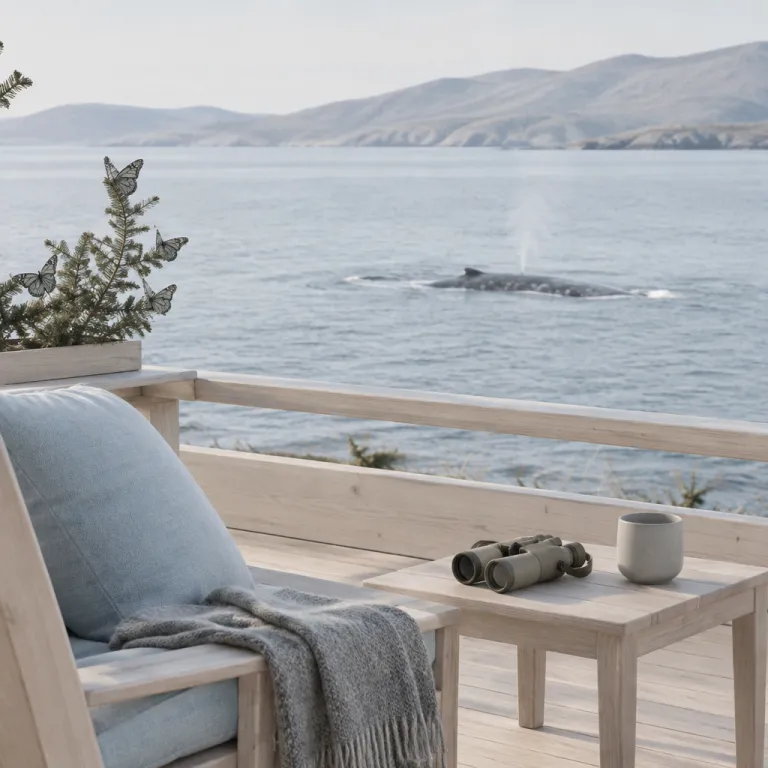
Mexico winter wildlife whale monarch: why timing shapes every luxury stay
Mexico sits on the crossroads of two of North America’s most dramatic migrations. Each winter, gray whales leave Arctic feeding grounds while millions of monarchs glide toward the highland forests of central Mexico. Planning a mexico winter wildlife whale monarch journey means aligning your hotel calendar with theirs, not the other way around.
From roughly November to March, gray whales gather in the warm lagoons of Baja California, while monarch butterflies cluster in oyamel fir forests that crown the mountains west of Mexico City. These migrations are not vague seasonal rumors; they are precise natural events that luxury travelers can track week by week. When you understand how each species moves through Mexico, you can choose sanctuaries, lagoons and hotels that frame wildlife as the quiet centerpiece of your stay.
Think of the country as a long, elegant corridor for wildlife. In the north, lagoons in Baja host gray whales, humpback whales and other marine species through late winter, with whale watching peaking as calves learn to swim. Far inland in central Mexico, monarch butterflies and other butterflies turn dark green forests into living, breathing clouds, creating a remarkable contrast with the desert light of Baja and the marine blues of the Pacific.
For a winter wildlife itinerary in Mexico, the luxury question is not whether you will see whales or monarchs, but how you will experience them. Will you wake in a quiet hotel overlooking lagoons in Baja, or in a refined retreat near butterfly sanctuaries in Michoacán and the State of Mexico? Will your safari professionals be local marine biologists and forest guides, or a rotating cast of generalists who treat wildlife as a checklist?
High end nature travel in Mexico is moving away from rushed whale tours and crowded buses toward slower, more intentional stays. The best properties now design stays around migration rhythms, not spa timetables, and they treat both gray whales and monarch butterflies as honored guests. As one veteran guide in San Ignacio Lagoon puts it, “Our job is to give whales space first, and guests a front row seat to that respect.” That shift lets you pair comfort with responsibility, whether you are tracking gray whale mothers in San Ignacio Lagoon or walking into a biosphere reserve where monarchs weigh down every branch.
Month by month: when whales and monarchs shape your booking window
Building a mexico winter wildlife whale monarch trip starts with a calendar, not a packing list. Monarchs usually arrive in central Mexico’s highland forests from late autumn, settling into oyamel fir groves that sit between Mexico City and the Pacific. Gray whales begin entering lagoons in Baja around a similar time, but their peak presence comes slightly later, which matters when you are locking in a specific hotel or suite.
From November through early January, monarch butterflies are already clustered in butterfly sanctuaries, while whale numbers in lagoons in Baja are still building. This is the quieter window for travelers who want more time alone on forest trails, watching monarchs and other butterflies lift off in orange waves when the sun warms the trees. It is also when rates at some coastal hotels in Baja California can be more forgiving, before the full whale watching season and broader holiday traffic collide.
By late January through March, both migrations are in full swing. Gray whales and their calves fill San Ignacio and other lagoons in Baja, while monarchs reach their most active phase in the forests of central Mexico. This is the prime mexico winter wildlife whale monarch period, when you can pair morning whale tours with afternoons by the pool, or hike from a highland hotel into forests where every monarch butterfly seems to pulse with light.
From April onward, the picture shifts. Monarchs begin their northbound migration across North America, leaving the biosphere reserve and butterfly sanctuaries quieter, while gray whales and humpback whales move back toward northern feeding grounds. A few late whales may linger into early June, but the concentrated spectacle that defines lagoons in Baja has passed, and luxury properties pivot back toward more general marine and desert experiences.
Responsible travelers should also track sanctuary opening windows and local regulations, which can change as conservation needs evolve. Before you book, confirm that the specific monarch butterfly sanctuaries you want to visit are open to visitors, and that whale watching rules in each gray whale lagoon are being enforced. For a deeper look at how to vet eco claims and operators, guides to real eco luxury versus greenwashing in Mexico are essential reading, and official updates from the Comisión Nacional de Áreas Naturales Protegidas (CONANP) and UNESCO provide the most current conservation context.
Where to stay for monarch butterflies: highland sanctuaries in quiet luxury
The monarch side of a mexico winter wildlife whale monarch itinerary unfolds in the mountains of central Mexico. Here, the Monarch Butterfly Biosphere Reserve straddles Michoacán and the State of Mexico, a few hours by road from Mexico City. The altitude, the oyamel fir forests and the cool air create the exact natural conditions monarchs and monarch butterflies need to survive the winter.
For travelers who want comfort without losing the sense of pilgrimage, the smartest move is to base in a refined hotel near the reserve rather than in the most crowded village lodgings. Properties around Valle de Bravo and Zitácuaro offer polished rooms, strong kitchens and easy access to butterfly sanctuaries, while still feeling close to the forests. You wake to mountain light, then drive or transfer with safari professionals and local guides who understand both the species and the communities that protect them.
On the trails, the etiquette is simple. Walk slowly, keep voices low, and remember that every monarch butterfly clinging to a gray branch has flown thousands of kilometers across North America to reach these sanctuaries. Horses are available on some routes, but a measured hike from forest edge to the main colonies lets you feel the shift from pine to oyamel fir, and from scattered butterflies to dense clusters of monarchs that turn entire trees a deep, remarkable orange.
Back at your hotel, luxury is less about marble and more about thoughtful pacing. A good property will stagger departures to avoid crowding, serve early breakfasts so you can reach the colonies as the sun hits, and offer quiet afternoons for reading or spa time once the day’s wildlife rush has passed. If you are pairing this leg with a coastal stay, consider flying from Mexico City to Baja California after two or three nights in the highlands, giving yourself a travel buffer before the whale watching portion.
Travelers who enjoy water focused stays can later fold in a cenote centered resort on the Caribbean side, choosing properties that prioritize nature over buffets. For example, some Riviera Maya openings, such as the Kimpton all inclusive built around cenotes rather than buffets, show how a cenote based luxury concept can complement a monarch focused highland leg. As one local conservation coordinator near Zitácuaro notes, “Guests remember the silence in the forest as much as the orange clouds of wings.” The key is to keep the wildlife days unhurried, so the memory of monarch butterflies lifting from the trees is not lost in airport transfers.
Where to stay for gray whales: lagoons, luxury and low impact boats
The whale half of a mexico winter wildlife whale monarch journey belongs to Baja and its remote lagoons. Along the Pacific side of Baja California, three main gray whale nurseries dominate the map: Magdalena Bay, Ojo de Liebre and San Ignacio Lagoon. Each lagoon has its own rhythm, but all offer sheltered, shallow waters where gray whales calve, nurse and rest before the long migration north.
San Ignacio stands out for travelers who want a balance of comfort and conservation. Here, a handful of camps and small scale hotels sit near the shoreline, offering tented suites, hot showers and strong guiding, while strict rules limit boat numbers and approach distances. The best safari professionals work with local communities, use low impact engines and treat every gray whale encounter as a privilege, not a guaranteed show.
In Magdalena Bay and the broader lagoons in Baja, you will find a mix of day trip whale tours from coastal towns and more immersive stays. A high quality hotel in Loreto or La Paz can pair marine excursions with desert hikes, birding and time with marine biologists who study gray whales, humpback whales and other species. This is where a mexico winter wildlife whale monarch itinerary can expand beyond a single animal, folding in dolphins, sea lions and rich birdlife along the mangrove edged channels.
For travelers who want a deep dive into the season, curated guides to the Cabo whale season and refined seaside stays help decode which properties truly understand marine rhythms. Look for hotels that schedule boat departures to avoid the midday crush, cap guest numbers on each vessel and brief visitors on behavior before they ever step onto the dock. When a gray whale surfaces beside your panga, the quiet respect on board matters as much as the proximity.
While March is often the sweet spot for calf activity, earlier and later weeks can be rewarding for different reasons. Early season brings the first arrivals into lagoons in Baja, while late season can offer more interactive behavior as whales grow curious about boats. Whatever your exact dates, remember that these are wild animals in a natural nursery, not performers, and that the most remarkable moments often come when the engine is off and everyone simply waits.
Designing a combined itinerary: from monarch forests to Baja whale nurseries
The most satisfying mexico winter wildlife whale monarch trips weave both migrations into a single, coherent route. Start with two or three nights in central Mexico for the monarchs, then fly west to the peninsula for gray whales and other marine wildlife. This sequence mirrors the emotional arc of the journey, moving from the hush of forests to the open drama of lagoons in Baja.
Begin in Mexico City, where a well located hotel gives you one night to adjust, dine well and prepare for the highlands. From there, transfer by road to a property near the Monarch Butterfly Biosphere Reserve, ideally one that works closely with local communities and certified guides. Spend at least one full day in the butterfly sanctuaries, leaving room for weather shifts that can affect how active monarch butterflies and other butterflies appear.
After the highlands, return to Mexico City and fly to La Paz, Loreto or Los Cabos, depending on which lagoons in Baja you plan to visit. A thoughtful itinerary might include a night in a coastal hotel to break the journey, then two or three nights closer to San Ignacio Lagoon or another gray whale nursery. This gives you multiple whale watching windows, which is crucial when marine conditions or migration patterns shift slightly from week to week.
Throughout, the luxury comes from pacing and context rather than excess. Choose operators whose safari professionals are trained naturalists, who can explain why gray whales choose specific feeding grounds, or how oyamel fir forests create the microclimate monarchs need. Ask how many boats they run, how they manage group sizes, and whether they support research or conservation projects in the biosphere reserve and the lagoons.
By the time you fly home, you will have traced a living map of Mexico, from the gray green forests of central Mexico to the blue gray waters of Baja California. You will have watched monarchs rise in warm light and gray whales roll beside your boat, two migrations linked by the same instinct to move with the seasons. That is the essence of a mexico winter wildlife whale monarch journey: a carefully planned, deeply felt passage through some of the most remarkable sanctuaries on the continent.
What sets true eco luxury apart on a wildlife focused Mexico stay
Not every high end property in Mexico that mentions wildlife delivers a meaningful mexico winter wildlife whale monarch experience. True eco luxury starts with restraint: fewer rooms, smaller groups and a willingness to say no when conditions are not right. It also means putting the needs of monarchs, whales and forests ahead of photo ops.
On the monarch side, that might look like a hotel limiting daily departures to butterfly sanctuaries, even when demand is high. It might mean investing in trail maintenance, supporting local ejidos that manage access, or training staff to brief guests on how noise and movement affect monarch butterflies. In the lagoons in Baja, it means operators who respect approach distances, cut engines near gray whales and humpback whales, and cancel whale tours when marine conditions would make encounters stressful for the animals.
For travelers, the signals are often in the details. Does your hotel talk about specific species, such as gray whales and monarchs, or only in vague wildlife language? Do safari professionals on staff know the migration timelines, the role of oyamel fir forests, and the history of the biosphere reserve, or are they reading from a generic script? Are there clear guidelines about touching or feeding animals, or is anything framed as acceptable in the name of guest satisfaction?
Luxury in this context is the freedom to slow down. It is the option to skip a third boat outing because the first two gray whale encounters were enough, and to spend the afternoon reading while whales breathe in the distance. It is the chance to linger in a forest clearing after most visitors have left, watching the last monarch butterfly drift down through the trees as the light turns gray and soft.
When you align your choices with the rhythms of migration and the needs of each species, Mexico reveals itself as a network of living sanctuaries rather than a checklist of sights. The reward is a mexico winter wildlife whale monarch journey that feels both intimate and expansive, grounded in real places and real behaviors. That is what turns a simple hotel booking into a quietly transformative passage through one of the world’s great natural theaters.
FAQ
When is the best time to see both gray whales and monarch butterflies in Mexico ?
The strongest overlap for a mexico winter wildlife whale monarch trip usually runs from late January through March. During this window, gray whales and their calves are abundant in the lagoons in Baja, while monarch butterflies are active in the highland forests of central Mexico. Planning at least ten to twelve days allows enough time to visit both regions without rushing.
Where should I base myself for monarch butterfly viewing in central Mexico ?
Most travelers fly into Mexico City, then transfer by road to towns such as Valle de Bravo or Zitácuaro near the Monarch Butterfly Biosphere Reserve. These areas offer comfortable hotels with good access to butterfly sanctuaries while avoiding the heaviest crowds. Look for properties that work with certified local guides and limit group sizes on forest visits.
Which Baja lagoons are best for a luxury focused gray whale stay ?
San Ignacio Lagoon is a strong choice for travelers who want a balance of comfort and strict conservation rules. Magdalena Bay and Ojo de Liebre also offer excellent gray whale encounters, often paired with other marine wildlife. Your ideal base will depend on whether you prefer tented camps near the water or a hotel in a coastal town with day trips into the lagoons.
How many days do I need in each location for a balanced itinerary ?
A well paced mexico winter wildlife whale monarch itinerary usually includes two or three nights near the monarch forests and three or four nights in Baja. This gives you at least one full day in the butterfly sanctuaries and two or three whale watching outings in the lagoons. Adding a night in Mexico City at each end helps smooth transfers and reduces travel fatigue.
What should I look for in a responsible whale watching or butterfly tour operator ?
Prioritize operators who limit group sizes, follow official approach distances and employ trained naturalist guides. In the monarch region, ask how they support local communities and whether they use certified trails inside the biosphere reserve. In Baja, choose whale tours that cut engines near gray whales, avoid chasing animals and clearly explain behavior guidelines before you board.
References
Responsible Travel; Journey Mexico; Comisión Nacional de Áreas Naturales Protegidas (CONANP); UNESCO World Heritage Centre.