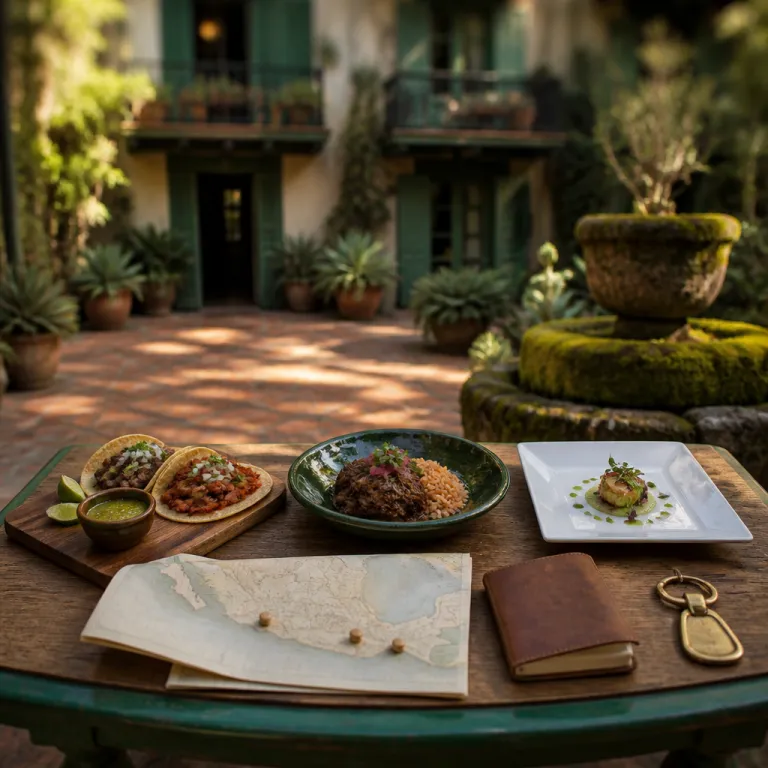
How Michelin changes the way you travel Mexico as a family
Using the Michelin Guide as your compass reshapes how you travel Mexico with children and still eat seriously well. Instead of chasing every starred table in the country, you build calm arcs through a few key areas where food, culture and family-friendly hotels align. That shift lets travelers balance tasting menus with markets, museums and pool time, turning Mexico travel into a layered journey rather than a rushed checklist.
Mexico now has dozens of Michelin-starred and Bib Gourmand restaurants spread across several state capitals and coastal cities, and that map is a gift for families who want structure without losing spontaneity. According to the inaugural 2024 Michelin Guide Mexico, there are 26 Michelin-starred restaurants and 16 Bib Gourmand addresses across the country, and that concentration in specific tourist areas makes it easier to plan where you will stay and how far you will travel between meals. When you read best practices from seasoned travelers, a clear pattern emerges: the most rewarding trips focus on two or three regions instead of trying to cross the entire country in one go.
Think of the guide as a curated shortlist of the best places to taste Mexican cooking in context, not as a trophy hunt. Michelin inspectors describe a Bib Gourmand very simply: "A Bib Gourmand recognizes good quality and good value cooking." That single line matters for families, because it signals where you can sit down for excellent food without the risk of a long, formal service that tests younger attention spans.
The capital circuit: Mexico City to Puebla for moles, markets and museums
The first itinerary treats Mexico City as both a cultural capital and a launchpad for Puebla, creating a five to seven day loop that works beautifully for premium families. You arrive in the city, shake off the flight with tacos in Roma or Condesa, then build up to two-star experiences at Pujol and Quintonil while leaving space for parks, museums and easy ride sharing between neighborhoods. This is where travel in Mexico feels most cosmopolitan, with world-class art, serious coffee, purified water in luxury hotels and some of the best hotels in the country concentrated in a single city.
In the capital, the future Park Hyatt in Mexico City is set to anchor a new wave of high-end openings, and you can track which luxury addresses are actually ready to host you through curated hotel intelligence such as the detailed guide to upcoming Mexico hotel openings, which draws on official brand press releases and opening announcements. Families who visit Mexico with grandparents or teens often split their days: mornings at Chapultepec Park or the Museo Nacional de Antropología, afternoons by the pool, evenings at either a Bib Gourmand or a street stand. When you plan Mexico travel this way, you can stay attuned to energy levels, alternating a long tasting menu night with a quick al pastor stop that keeps everyone happy.
Sample day in Mexico City (with kids)
09:00–11:30: Breakfast and playground time in Condesa, then walk through Parque México.
12:00–14:00: Visit the Museo Nacional de Antropología (short, focused visit with a snack break).
14:30–16:00: Late lunch at a Bib Gourmand or casual taquería near Polanco.
16:30–18:00: Pool or quiet time back at the hotel.
19:30–22:00: Tasting menu at Pujol or Quintonil for adults, with older children joining, or a parallel plan where one adult dines while the other orders room service and an early night for younger kids.
After three or four nights in the city, a roughly two-hour drive brings you to Puebla, a state capital that rewards slower travel. Here, mole tasting menus sit beside casual spots serving chiles en nogada in season, and the historic center feels calmer than the capital yet still very much like a working Mexican city. For a deeper sense of how Puebla is evolving under Michelin attention, the analysis of Puebla's quiet ascent is essential reading before you decide how long you will stay.
Sample day in Puebla
09:00–11:00: Walk the zócalo and visit the cathedral, with a hot chocolate stop.
11:30–13:00: Talavera workshop visit or a short museum, depending on ages.
13:30–15:00: Lunch at a traditional fonda serving mole poblano.
16:00–18:00: Hotel downtime or a ride on the Teleférico for city views.
19:30–21:30: Dinner at a Michelin-recognized restaurant, with a nearby casual spot in mind as a backup if children fade.
The southern route: Oaxaca markets to Mérida haciendas and the low key coast
The second itinerary runs south and east, linking Oaxaca City, Mérida in Yucatán and a final pause on the coast for families who want food, culture and warm water without the party reputation of some resort areas. You begin in Oaxaca, where Tierra del Sol has become a reference point for traditional Mixtec cuisine and where the Benito Juárez market turns every morning into a lesson in chiles, chocolate and cheese. This is Mexico at its most tactile; children can see tortillas pressed by hand, taste fresh fruit juices and watch mezcal producers explain their craft in villages just outside the city.
Sample day in Oaxaca City
08:30–10:30: Breakfast and wander through Mercado Benito Juárez, tasting fruit and pan de yema.
11:00–13:00: Short visit to the Templo de Santo Domingo and nearby cultural center.
13:30–15:00: Lunch at a casual comedor with simple moles and quesadillas for younger palates.
16:00–18:00: Rest at the hotel or a short excursion to a nearby weaving village.
19:30–21:30: Dinner at Tierra del Sol or another Michelin-listed restaurant, with an early seating and a promise of post-dinner ice cream to keep children engaged.
Hotel Los Amantes Oaxaca gives premium travelers a central base with easy access to both Michelin-listed restaurants and casual spots, and its rooftop views over the city make even a simple breakfast feel special. From here, many travelers continue their Mexico journey with a short flight of about 90 minutes to Mérida, a city that blends colonial architecture, a slower pace and a growing cluster of serious kitchens focused on Yucatecan dishes such as cochinita pibil. Families who visit Mexico for food often comment that this Oaxaca–Mérida axis offers the best balance between depth of flavor, manageable distances and a sense of safety when they stay alert in busy streets and markets.
Near Mérida, properties such as Chablé Yucatán sit on former henequen haciendas, giving you space, spa time and cenote swimming in filtered water that feels far from the city yet close enough for day trips. From there, you can either end with a quiet stretch of coast near the less crowded parts of the Riviera Maya or loop back toward the United States through Mexico City, depending on flight options. Throughout this southern route, the key is to read current local advice on road conditions, use reputable ride sharing where available and keep your travel insurance details handy so that any unexpected medical need or flight change does not derail the trip.
Sample day in Mérida and nearby haciendas
09:00–11:00: Stroll the historic center and Plaza Grande, with a stop for marquesitas.
11:30–13:00: Short museum or cenote visit, depending on heat and ages.
13:30–15:00: Lunch at a family-friendly spot serving panuchos and salbutes.
16:00–18:00: Pool time at a hacienda hotel such as Chablé Yucatán.
19:30–21:30: Dinner at a Michelin-recognized restaurant in Mérida, or a relaxed hacienda meal if children are tired from the day.
Pacific wine and tequila: Guadalajara, Tequila town and Valle de Guadalupe
The third itinerary points west, ideal for families with older children who are curious about both food and the landscapes that shape it. You start in Guadalajara, a city where birria, tortas ahogadas and contemporary tasting menus now share space on the same streets, and where newly starred restaurants sit close to leafy plazas and museums. This is a part of Mexico where you feel the country’s creative energy in both the kitchens and the galleries, and where travelers can still move between neighborhoods with relative ease using licensed taxis or vetted ride sharing services.
Sample day in Guadalajara
09:00–11:00: Breakfast and a walk through the historic center and main plazas.
11:30–13:00: Visit a museum or gallery with interactive exhibits for teens.
13:30–15:00: Lunch of birria or tortas ahogadas at a well-known local spot.
16:00–18:00: Time in a park or back at the hotel pool.
19:30–21:30: Dinner at a Michelin-starred or recommended restaurant, with a nearby casual option in case plans change.
From Guadalajara, a day trip or overnight in Tequila town lets adults understand the spirit beyond the shot glass while children see agave fields rolling toward the horizon. Many premium families choose to stay in the city and visit Tequila with a private driver, reducing risk on winding roads and allowing everyone to relax on the return. When you plan to travel Mexico in this region, you should be cautious on highways at night, follow government advisories about specific areas and rely on hotel concierges for up-to-date routing tips.
The final leg takes you north to Baja California and the Valle de Guadalupe, the country’s leading wine region and a place where food, architecture and landscape come together. Properties such as Encuentro Guadalupe and Banyan Tree Veya sit among vineyards and low hills, offering tasting menus that showcase local seafood and produce alongside more relaxed lunches that work for younger palates. Here, the best hotels often feel like small design-forward retreats rather than large resorts, and the combination of Mexican wine, Pacific air and thoughtful cooking makes this one of the best places to end a longer Mexico travel journey.
Sample day in Valle de Guadalupe
09:00–11:00: Slow breakfast overlooking the vineyards.
11:30–13:00: Short winery visit with a focus on views and snacks rather than long tastings.
13:30–15:00: Lunch at a casual countryside restaurant with outdoor seating.
16:00–18:00: Downtime at the hotel or a short drive to a viewpoint.
19:30–21:30: Tasting-menu dinner for adults, with a simpler children’s menu or shared plates arranged in advance.
Practical luxury: budgets, safety, credit cards and family logistics
Planning these itineraries as a premium family means thinking clearly about budgets, safety and logistics before you visit Mexico. At street level, a generous taco lunch for four in Mexico City, Oaxaca or Guadalajara can cost less than a single course at a Michelin-starred restaurant, while tasting menus in the best places will align more closely with major United States cities. That contrast is a strength; you can mix high and low, using casual meals to balance the cost of one or two big nights at the most sought-after tables.
When you travel Mexico with children, safety is less about fear and more about informed choices. You should read government advisories for each state you plan to visit, understand which tourist areas are considered lower risk and where authorities recommend that travelers be more cautious, and then cross-check that information with hotel concierges who know current conditions. While headlines about cartel violence can be alarming, the reality in most city centers and established coastal zones is that visitors who stay aware, avoid isolated areas at night and use reputable transport providers generally move through the country without incident.
On the financial side, major hotels and starred restaurants in Mexico accept international credit cards, and using a card with no foreign transaction fees is one of the simplest tips for keeping costs predictable. Always carry some cash for markets, street food and small taxis, but do not flash large amounts, and keep copies of your passport and travel insurance policy in both digital and printed form. If you plan to use ride sharing, set clear pickup points at hotels or busy corners, check license plates carefully and teach older children to recognize the app interface so that the whole family understands how you will move between places you visit on any given day.
Choosing and booking the right hotels around Michelin hotspots
Once you have chosen your route, the next step is matching hotels to your culinary plans so that every stay supports, rather than complicates, your days. In Mexico City, Oaxaca, Mérida, Guadalajara, Puebla and the Riviera Maya, the best hotels for food-focused families share a few traits: walkable access to key restaurants, reliable filtered water, interconnecting rooms or suites and concierges who understand both Michelin reservations and street food cravings. When you travel Mexico with this mindset, you stop thinking of the hotel as just a bed and start seeing it as a staging ground for everything you will taste and see.
For couples planning a future adults-only return, it is worth bookmarking more intimate coastal and countryside retreats highlighted in thoughtful guides such as this post resort playbook for honeymooning in Mexico beyond Cancún. Families, meanwhile, should prioritize properties that can secure hard-to-get reservations at places like Pujol, Quintonil or Tierra del Sol, often weeks in advance, while also pointing you toward Bib Gourmand addresses where walk-ins are still possible. When you read the best hotel descriptions, look for explicit mentions of concierge strength, because in a country where last-minute changes are common, a proactive team can quietly reroute your evening from a fully booked tasting menu to an under-the-radar gem.
Across all three itineraries, a few booking principles hold. Reserve starred restaurants as soon as flights are confirmed, then layer hotel stays around those anchor dates rather than the other way around, and always build in at least one unscheduled day in each city to follow local recommendations you will only hear once you arrive. Finally, treat travel insurance as non-negotiable for international travelers; a solid policy that covers medical care, cancellations and interruptions is as essential as your passport when you visit Mexico for a trip that blends cities, coasts and rural areas.
FAQ
How many Michelin starred restaurants are there in Mexico and where are they concentrated ?
Current official figures from the 2024 Michelin Guide Mexico indicate that there are 26 Michelin-starred restaurants and 16 Bib Gourmand addresses across Mexico, concentrated in Mexico City, Oaxaca, Puebla, Jalisco, Baja California, Nuevo León, Quintana Roo and Yucatán. For most travelers, that means focusing on a few key cities and nearby coastal areas rather than trying to visit every starred table in the country. The density in these regions makes it easier to combine cultural visits, family-friendly hotels and serious dining in a single stay.
What is a Bib Gourmand restaurant and why does it matter for families ?
The Michelin Guide defines this category very clearly: "A Bib Gourmand recognizes good quality and good value cooking." For families planning to travel Mexico, Bib Gourmand restaurants often offer shorter menus, more relaxed service and lower prices than starred venues while still delivering excellent Mexican food. They are ideal for nights when you want a sit-down meal that feels special but do not want the length or cost of a full tasting menu.
How far in advance should I book Michelin starred restaurants in Mexico ?
In Mexico City and other major hubs, the most sought-after restaurants such as Pujol and Quintonil typically open reservations several weeks to a few months ahead, and prime times fill quickly. A good rule is to secure key bookings as soon as your flights and hotel stays are confirmed, especially during local holidays or peak travel periods. Bib Gourmand and many one-star venues may hold some tables for walk-ins, but families should still reserve when possible to avoid long waits with children.
Is it safe to use ride sharing and public transport when visiting Michelin hotspots ?
In major Mexican cities, regulated ride sharing services are widely used by both locals and visitors, and they can be a safe option when you check license plates, share trip details and choose well-lit pickup points. Public transport varies by city; metro systems and buses in Mexico City, for example, are extensive but can be crowded, so many premium travelers prefer taxis arranged by their hotel. Wherever you travel Mexico, following government advisories, avoiding isolated areas at night and relying on hotel concierges for current advice will reduce risk.
Do Michelin starred restaurants in Mexico cater to dietary restrictions and children ?
Many high-end Mexican restaurants, including Michelin-starred and Bib Gourmand venues, can accommodate vegetarian diets and some other restrictions if informed in advance. Families should contact the restaurant directly, mention any allergies and ask whether a shorter or simplified menu is available for younger diners. When in doubt, mix these experiences with markets and casual spots where you can see dishes prepared and adjust spice levels and ingredients more easily.