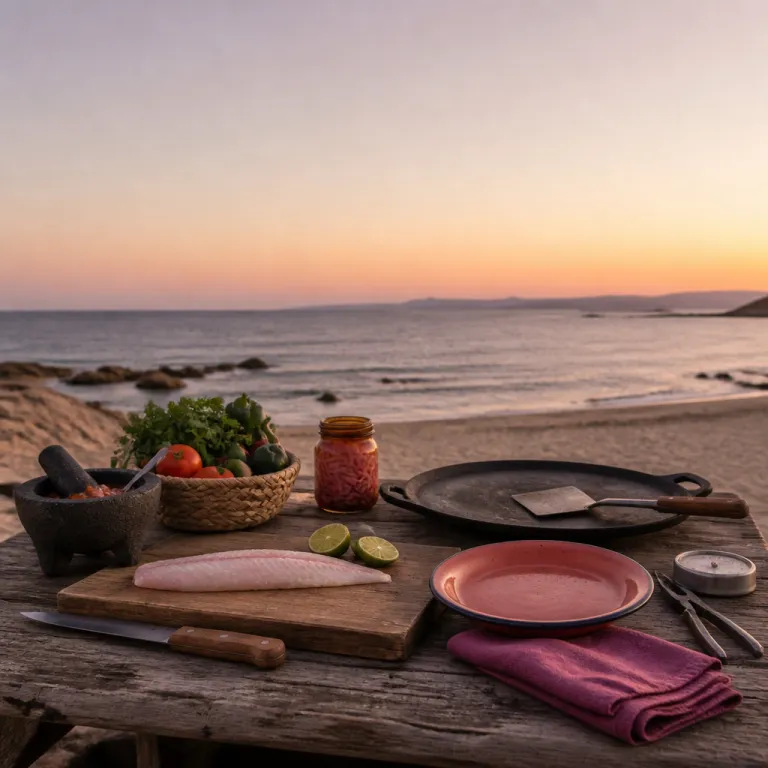
Why Baja California food travel between Ensenada and Todos Santos belongs on your map
The culinary line from Ensenada to Todos Santos is one of the clearest expressions of Baja California’s Pacific coast food culture. This stretch of the west coast of Mexico runs for a long ribbon of more than 800 kilometres by road, where the ocean shapes every plate and every glass. You move from the birthplace of fish tacos in a working port city to farm table sanctuaries in the desert of Baja Sur, and the shift feels like a tasting menu written by the Pacific.
Ensenada sits in northern Baja California, a compact city where the harbour, the market and the street stands still dictate the food scene. Local tourism sources describe dozens of dedicated fish taco stands in the city, and that density means you can spend serious time comparing batter, salsa and tortillas in a single morning. When people ask, “What is the origin of fish tacos in Ensenada?”, the most accurate answer remains simple and precise: “Fish tacos emerged from Ensenada’s markets and harbour stalls,” according to long time vendors interviewed in regional food features.
From there, coastal itineraries trace the peninsula south, turning a simple road trip into a full time obsession with what the Pacific is serving that day. The route is not about checking off the best restaurant in each city, but about understanding how one long strip of land can hold so many expressions of seafood, vegetables and wine. If you plan your trip well, you might eat fish tacos for breakfast in Ensenada, sip a smoothie bowl by a quiet beach near the Pacific side of Baja Sur at lunch and finish with a farm table dinner under the stars in Todos Santos.
This is not a region built for people who want to skip context and rush straight to a single famous restaurant. Baja California and Baja Sur reward the traveler who slows down, talks to local cooks and lets the mountain range and the sea dictate the pace. As one local guide in Baja Sur likes to say, “The road decides your schedule, the tide decides your menu.” The luxury hotels along this line understand that, and the best of them now build their identity around access to the food scene rather than around generic amenities.
Ensenada: fish taco origin story and Baja Med foundations
Ensenada is where a serious Baja California food journey between Ensenada and Todos Santos properly begins, because this is where the fish taco moved from working harbour snack to global reference. The city still feels like a port first and a resort second, which is exactly why the food remains so focused on what local fishermen bring in each morning. You will find stands near the market and the waterfront that have been perfecting their batter and salsa combinations for years, and the rhythm of service is as fast as the frying oil is hot.
Makuko’s Fish Tacos is one of the names that comes up repeatedly when serious eaters talk about the best tacos in the city, and it is cited in multiple regional travel and food articles as a reference point for classic Ensenada style tacos. The stand is known for a traditional batter that stays crisp without feeling heavy, and for a menu that goes beyond the usual white fish to include a wider range of seafood. When you plan your trip, allow enough time to compare Makuko’s with at least two or three other stands, because the difference between good and great in Ensenada often comes down to the balance between crunch, acidity and heat.
Beyond the tacos, Ensenada is also a cradle of Baja Med cuisine, the style that blends Mexican ingredients with Mediterranean and Asian techniques. That fusion now shapes the higher end restaurant scene, where chefs work closely with local producers from the nearby valleys and the coast. For luxury travelers, this means you can spend the day in the city eating street food and then sit down at a refined restaurant at night, pairing local wines with dishes that feel both rooted and experimental.
For readers used to the polished dining rooms of Los Angeles or San Francisco, Ensenada offers a different kind of refinement. Here, the most memorable restaurant photo moments often happen at a plastic table, with a paper plate and a view of the harbour. Hussong’s Cantina, documented in local histories as operating since the late nineteenth century, adds another layer to the story, with its long running bar culture and simple botanas. If you want a broader perspective on how Mexican coastal cities are rethinking menus for discerning travelers, a detailed Puerto Vallarta restaurant guide for luxury travelers on a specialist Mexico site offers a useful comparison point.
Designing the coastal road trip: from Baja California to Baja Sur
Once you leave Ensenada, planning a Baja California to Todos Santos food route becomes a question of how you want to move, not just where you want to eat. The classic choice is between driving the full length of the peninsula or flying into La Paz or San José del Cabo and focusing on Baja Sur. If you have the time and the temperament, the long road trip down the west coast is still the most rewarding way to understand how the landscape shapes the food.
The drive takes you from the greener north of Baja California into the starker desert of Baja Sur, where the mountain range folds towards the sea and the light changes by the hour. Ensenada to Guerrero Negro, for example, is roughly 8 to 9 hours of driving, while the stretch from Guerrero Negro to Todos Santos usually takes another 9 to 10 hours, depending on stops and conditions. You will pass small beach towns, fishing villages and inland springs, each with at least one local restaurant that deserves a stop. Plan your days so that you arrive in the more interesting food hubs, such as the Pacific side of Baja Sur and Todos Santos, in time for a slow lunch rather than a rushed dinner.
Travelers based in Los Angeles often underestimate the duration of the drive, imagining a quick dash down the coast. In reality, the distance and the road conditions mean you should treat it as a multi day trip, with time built in for rest, food and unexpected detours. If you prefer to save time, flying into the airports that serve Los Cabos or La Paz and then driving a shorter section of the coast still gives you access to the key food destinations, with drives such as La Paz to Todos Santos typically taking around 1.5 to 2 hours.
Luxury and premium hotels along this route now understand that guests are not only looking for a room with a view, but for curated access to the local food scene. Some properties will arrange guided stops at roadside marisquerías, others will point you towards specific farm table projects that match your interests. For travelers who like the structure of high end coastal stays, overviews of elegant all inclusive resorts in other Mexican beach areas show how properties are rethinking food for discerning guests, even if the Baja coast remains more about independent exploration than about resort packages.
Todos Santos: from artist outpost to farm table destination
Arriving in Todos Santos after the drive south, you feel the shift from working port to creative enclave, and a Baja California food trip from Ensenada to Todos Santos takes on a more contemplative tone. The town has evolved from an artist colony into one of Baja Sur’s most compelling food destinations, without losing its low key charm. Here, the focus moves from the harbour to the huerta, from the market to the farm table.
Local tourism figures often mention a small cluster of serious farm to table restaurants in Todos Santos, which is a remarkable concentration for a town of this size. Siempre Viva Restaurant, for example, builds its menu around a wood fired hearth and produce grown nearby, turning simple vegetables into the centre of the plate. Jazamango, run by chef Javier Plascencia and profiled in several regional food publications, pushes the concept further, with a garden that supplies much of the kitchen and a menu that feels like a conversation between Baja’s soil and its sea.
Seafood remains central, of course, and Oystera has become a reference point for premium seafood in a dramatic setting, highlighted in recent travel and design coverage for its ambitious approach. Housed in the old sugar mill, the restaurant uses the industrial architecture as a backdrop for precise plates and a serious wine list. For travelers who began their trip with fish tacos in Ensenada, eating oysters and crudo in this space feels like the natural evolution of the same Pacific story.
Todos Santos also caters well to the solo explorer who wants to balance restaurant meals with quieter mornings. You can start the day with a smoothie bowl in a shaded courtyard, walk to the beach for a swim and then return to town for a late lunch at a farm table restaurant. One local cook summed it up simply to a visiting writer: “In the morning we listen to the waves, at lunch we listen to the garden.” If you are planning your stay through a luxury focused platform, look for properties that highlight their relationships with local producers rather than generic references to “great food”, because those connections will shape the quality of your meals as much as the dining room design.
Where to sleep: from off grid jacales to design forward coastal retreats
The hotels between Ensenada and Todos Santos now treat culinary travel along Baja’s Pacific coast as a core part of their identity, not as an afterthought. In Baja Sur, El Perdido near Todos Santos is one of the clearest examples of this shift towards food centred hospitality. The property offers a small collection of private jacales, thatched roof villas set in the desert, with a solar powered infrastructure and a restaurant, Coyote, that anchors the experience with live music on Saturday nights.
El Perdido works well for travelers who want to feel off grid without sacrificing comfort, and who value a restaurant that understands the local pantry. The team can arrange dinners that highlight regional ingredients, from line caught fish to vegetables grown in nearby huertas, and the setting makes each meal feel like a small event. Typical nightly rates sit in the mid to upper range for Baja Sur boutique hotels, and this is the kind of place where you will remember the way the wind moved through the desert during dinner as clearly as you remember the food itself.
Closer to Todos Santos, Casa Santos has attracted attention from design publications for its architecture and its approach to hospitality. The property balances clean lines with a strong sense of place, and its proximity to the town’s restaurants makes it ideal for travelers who want to eat their way through the local scene. You can spend the day at the beach or exploring the city, then return to a calm, design forward base that feels aligned with the creative energy of the Pacific side of Baja Sur.
Further along the coast, larger resorts near Los Cabos, San Lucas and San José del Cabo offer a different kind of luxury, with extensive facilities and direct beach access. These properties often have multiple restaurants on site, some of which engage seriously with the regional food scene, while others cater more to international expectations. For a broader perspective on how Mexican hoteliers are rethinking public spaces and culinary offerings, analyses of Mexico’s original design driven hoteliers are a useful reference, even if the Baja coast now has its own distinct identity.
Practical planning: timing, logistics and how to eat like a local
Planning a Baja California food itinerary from Ensenada to Todos Santos requires more than just a list of restaurant names, because timing and logistics will shape your experience as much as your budget. The coastal road is beautiful but can be slow, so build in enough time between Ensenada, the smaller towns and Todos Santos to avoid driving long stretches after dark. Carry cash for street vendors, especially in Ensenada and in smaller Baja Sur communities, because some of the best food stands still do not accept cards.
When you map out your trip, think in terms of meals rather than kilometres. In Ensenada, plan a morning dedicated to fish tacos and market snacks, followed by an afternoon at a sit down restaurant that explores Baja Med flavours. In Todos Santos, reserve ahead for Siempre Viva Restaurant or Jazamango, because “Are reservations required for Siempre Viva Restaurant?” has a clear answer: “Yes, reservations are recommended,” especially in the cooler high season from roughly November to April.
For solo travelers, safety and comfort are as important as flavour. Choose hotels that are based within walking distance of the main food streets in each city, so you can move easily between your room and the restaurants without worrying about late night transport. In Todos Santos and the surrounding Pacific towns, that might mean staying closer to the historic centre rather than at a remote beach, while in the Los Cabos area you may prefer a resort with reliable transfers into town for dinner.
Finally, remember that the best meals on this route often come from places that do not have a strong online presence. Ask hotel staff where they eat on their own time, look at which stands draw local families and pay attention to the small details in any restaurant photo you see on social media. Seasonal catches such as spiny lobster and certain local clams appear more frequently in cooler months, while ceviches and lighter dishes dominate in hotter periods. Baja California and Baja Sur reward curiosity, and if you respect the rhythm of the coast, your road trip between Ensenada and Todos Santos will feel less like a checklist and more like a long, generous conversation with the Pacific.
Key figures for Baja’s Pacific coast culinary travel
- Ensenada supports a dense network of dedicated fish taco stands, according to the local tourism board and regional food reporting, which makes it one of the most concentrated street seafood cities in Mexico for its size.
- Todos Santos counts a notable cluster of serious farm to table restaurants, based on local tourism data and recent travel features, a high concentration that reflects its evolution into a culinary destination rather than just an artist town.
- The coastal distance between Ensenada and Todos Santos is more than 800 kilometres by road, which means most travelers should plan at least two overnight stops if driving the full route.
- El Perdido near Todos Santos offers a limited number of private jacales, a small key count that allows the property to tailor food experiences closely to each guest’s preferences.
- Hussong’s Cantina in Ensenada has been operating since the late nineteenth century, according to local historical accounts, making it widely recognised as one of Baja California’s oldest bars and a living reference point for the region’s drinking culture.
FAQ: Baja California food travel from Ensenada to Todos Santos
Is it better to drive the whole way from Ensenada to Todos Santos or to fly into Baja Sur?
Driving the full route gives you access to small coastal towns and roadside seafood stands that you would miss if you only flew into Baja Sur. However, the distance is significant, so travelers with limited time often prefer to fly into La Paz or the Los Cabos area and focus on the southern section between the Pacific side of Baja Sur and Todos Santos. Your choice should depend on how much time you have and how comfortable you feel with long stretches of coastal driving.
How many days should I plan for a food focused trip between Ensenada and Todos Santos?
For a trip centred on food, plan at least seven to ten days if you are driving the full distance, which allows for two or three nights in Ensenada, several stops along the coast and three or four nights in Todos Santos. If you are flying directly into Baja Sur, four to five nights in and around Todos Santos is usually enough to explore the main farm to table restaurants and nearby beaches at a relaxed pace. Solo travelers who like to linger over meals may want to add an extra day in each main stop.
Do I need reservations for the key restaurants in Todos Santos and Ensenada?
Street food stands in Ensenada generally do not take reservations, so you can simply arrive and wait your turn, especially in the morning. In Todos Santos, reservations are strongly recommended for places such as Siempre Viva Restaurant, Jazamango and Oystera, particularly during peak travel periods and on weekends. Booking ahead ensures you can choose your preferred time and enjoy a slower, more considered meal.
Is Baja’s Pacific coast safe for solo travelers focused on food and hotels?
Most solo travelers who stick to established routes between Ensenada, the main coastal towns and Todos Santos report positive experiences, especially when they stay in reputable hotels and move around during normal dining hours. As in any region, it is wise to follow local advice, avoid driving long distances at night and keep valuables discreet when visiting markets or crowded street food areas. Choosing hotels with good front desk support and clear guidance on local dining options adds an extra layer of comfort.
What is the best time of year for a Baja California food trip between Ensenada and Todos Santos?
The cooler, drier months tend to be the most comfortable for a road trip, with pleasant daytime temperatures for beach visits and outdoor dining. Seafood quality remains high throughout the year, but some species are more abundant in specific seasons, which your servers can explain when you order. If you prefer quieter restaurants and easier reservations, consider travelling outside major holiday periods while still avoiding the hottest weeks of the year.
References
- Local tourism boards of Ensenada and Todos Santos for indicative data on fish taco stands and farm to table restaurants.
- Hotel profiles and booking platforms for details on El Perdido, Casa Santos and other regional properties.
- Regional travel and food features from established publications covering Ensenada, Todos Santos and Baja Sur, including coverage of Makuko’s Fish Tacos, Oystera, Hussong’s Cantina and similar venues.