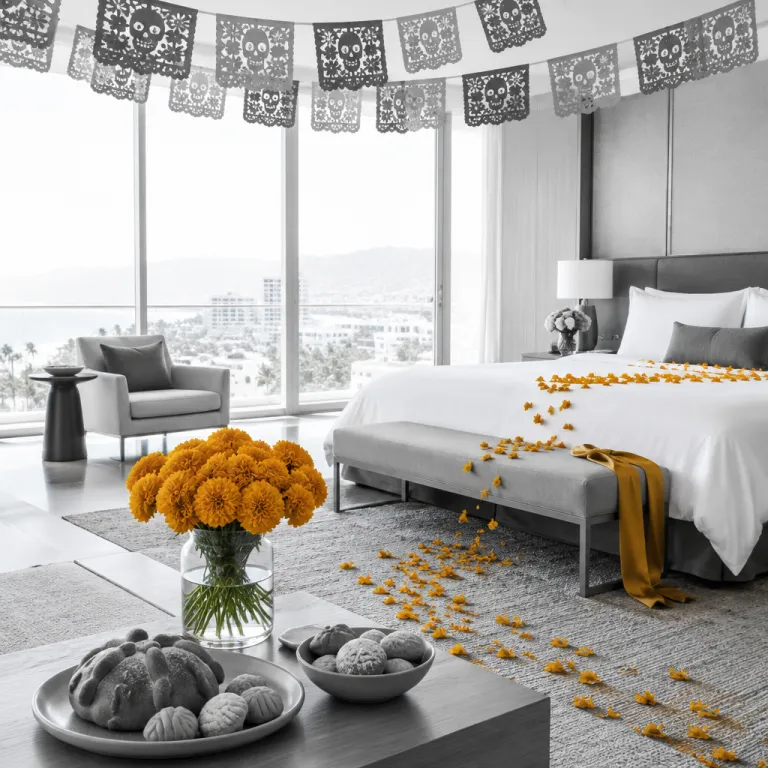
Why the right hotel shapes your Día de los Muertos
Choosing where to stay on the Day of the Dead in Mexico quietly determines how close you stand to the heart of the ritual. For couples planning a high-end Día de los Muertos escape in 2026, the difference between a generic resort package and a property embedded in its community is the difference between watching a parade and feeling a city breathe around its muertos. The hotels that matter are the ones where staff leave work early for cemetery vigils, where pan de muerto appears on the breakfast table because someone’s abuela has been kneading dough since dawn.
In Mexico City, a luxury hotel along Paseo de la Reforma can frame your stay around the monumental city parade, yet the most meaningful moments often unfold later that night in quieter neighbourhoods. A refined property in Condesa, Roma Norte or near Reforma might offer curated ofrenda workshops featuring local artisans, while a discreet concierge steers you toward Mixquic rather than the most photographed zócalo procession. When you plan a Day of the Dead itinerary, ask how the hotel supports Día de los Muertos traditions beyond lobby décor and live music in the bar, and whether they work with local guides or cultural hosts rather than relying only on in-house entertainment.
Couples drawn to the idea of a luxury Día de los Muertos stay in Mexico should prioritise hotels located in or near historic centres. A hotel facing the Zócalo, such as Gran Hotel Ciudad de México, or a property a few side streets from a cathedral, lets you step from your suite straight into candlelit vigils. Look for amenities that include guided cemetery visits, talks on the meaning of Día de los Muertos, and respectful access to local families’ ofrendas rather than only spa discounts or generic resort entertainment, and ask about typical nightly rates and minimum stays during the festival so you can match expectations with your budget.
Mexico City, Mixquic and Reforma: urban rituals with real depth
Mexico City has turned Día de los Muertos into a cinematic event, yet the most resonant experiences still happen away from the cameras. Along Reforma, grand hotels line Paseo de la Reforma with suites overlooking the parade route, giving couples a front row seat to giant alebrijes and marigold floats by day, then a quiet retreat by night. For a 2026 Day of the Dead luxury booking, choose a property where amenities include access to smaller neighbourhood altars, not just balcony views of the spectacle, and where staff can arrange private drivers to reach Mixquic after dark.
Staying near the historic Zócalo places you within walking distance of major ofrendas and cathedral ceremonies, and a refined hotel in this area can balance access with calm. Some hotels near Zócalo Central arrange private guides who navigate you through the crowds to lesser known chapels, then on to Mixquic after dark, where the cemetery glows with candles and families keep vigil for their muertos. In this setting, the phrase Día de los Muertos is not a marketing hook but a lived city ritual that you are invited to witness with care, and local guides often emphasise that visitors are “guests at a family gathering, not spectators at a show.”
Couples who want to pair urban culture with landscape can extend their travel beyond Mexico City, combining a Reforma-based stay with a rail journey through the Sierra Madre using a luxury Copper Canyon itinerary as inspiration from this high end rail expedition guide. Back in the capital, schedule time in Chapultepec Park before or after the main Day of the Dead events, letting the city’s green heart balance the intensity of the vigils. Whether you choose Reforma, Condesa or a quieter district, ask how the hotel engages with local communities during Día de los Muertos, and favour those that support neighbourhood projects rather than only staging in-house shows featuring imported performers.
Oaxaca, Pátzcuaro and Janitzio: lakes, lanterns and late night vigils
Oaxaca City and the Pátzcuaro lake region in Michoacán remain the spiritual core of Día de los Muertos, and they are where a premium Day of the Dead reservation becomes essential months in advance. In Oaxaca, hotels located near the centro histórico let you walk straight into comparsas, sand tapestries and mezcal-fuelled processions that swirl through the city night. The best properties in this region work with local families, arranging respectful visits to home ofrendas and cemetery vigils rather than packaging los muertos as a themed resort show, and many now publish their cultural programming for October and early November so guests can plan around official schedules.
On the shores of Lake Pátzcuaro, staying in a small luxury resort or spa retreat near the pier allows couples to board night boats to Janitzio, where the island cemetery fills with candles and marigolds. Here, Día de los Muertos and Día de los Difuntos are not interchangeable slogans but layered traditions, and a thoughtful hotel will brief guests on etiquette before they step into the cemetery. Look for properties where amenities include bilingual cultural hosts, quiet return transfers after midnight, and perhaps a simple pan de muerto and hot chocolate service waiting in your room, and ask about typical boat departure times so you can coordinate dinner and vigil hours without rushing.
Oaxaca’s hotel scene now books out early for every city day around the festival, so couples should treat a Day of the Dead stay in 2026 like peak season planning on the Pacific coast. Use strategies similar to those outlined in this guide to Mexico’s shoulder season rates, but shift the focus to early reservations and flexible dates around November 1 and 2. Whether you choose a city hotel in Oaxaca or a lakeside resort near Pátzcuaro, prioritise places a short walk from main plazas, where live music from comparsas drifts in but you can still close the balcony doors and sleep, and consider booking at least three nights so you can experience both preparations and the quieter days after the main vigils.
Designing a couple’s itinerary around meaning, not costumes
For couples, Día de los Muertos is less about costumes and more about shared reflection, and a carefully chosen hotel can turn a busy city into an intimate retreat. Start by deciding whether you want an urban Mexico City base near Reforma and Chapultepec Park, a colonial city like Oaxaca or San Miguel de Allende, or a quieter lakeside place near Pátzcuaro. Then build a 2026 Day of the Dead luxury travel plan that alternates intense public rituals with slow mornings in a spa, long lunches and early nights, using a simple structure such as: morning walks and markets, afternoon rest, evening vigils, and late-night returns with private transfers arranged through your hotel.
In Mexico City, a refined property near Paseo de la Reforma or in Condesa might offer a spa wing featuring temazcal-inspired treatments, ideal after a late night in Mixquic. In San Miguel, hotels located near the main jardín often host intimate ofrenda ceremonies where amenities include storytelling sessions about Día de los Muertos, followed by live music in candlelit courtyards. Wherever you stay, ask how the kitchen approaches pan de muerto, and choose the hotel that treats it as a seasonal bread with history rather than a decorative prop, perhaps offering tastings that explain regional variations between Mexico City, Oaxaca and Michoacán.
Couples who want to pair Día de los Muertos with coastal downtime can add a few days at a refined seaside resort, using resources like this guide to luxurious seaside retreats in Cabo as a template for evaluating service and safety. A thoughtful itinerary might begin with city rituals around Zócalo Central, continue with a lakeside vigil for Día de los Muertos near Pátzcuaro, then end with quiet beach walks where the only schedule is the tide. Throughout, favour hotels across Mexico that are transparent about how they engage with local communities, because the most meaningful stays are always located inside living traditions, not staged sets, and a good concierge will be honest about which events are primarily for visitors and which remain family-centred.
FAQ
When should I book a luxury hotel for Día de los Muertos in Mexico ?
For Oaxaca, Pátzcuaro and central Mexico City, couples should secure a 2026 Day of the Dead reservation at least three to six months in advance. The most atmospheric hotels located near the Zócalo or along Paseo de la Reforma often sell out by late summer for the main festival days. Flexible dates around November 1 and 2 increase your chances of finding a great room with meaningful cultural access, and many properties now open bookings for these nights as early as January, so joining hotel mailing lists can give you a useful head start.
Is Mexico City or Oaxaca better for a first Día de los Muertos trip ?
Mexico City offers large scale parades along Reforma, easy access to Chapultepec Park and Mixquic, and a wide range of luxury hotels, from Reforma towers to intimate properties near Zócalo Central. Oaxaca City delivers denser traditions in a walkable historic centre, with comparsas, sand tapestries and mezcal culture concentrated within a few kilometres. For a first high-end Día de los Muertos experience in 2026, Mexico City suits travellers who like big city energy, while Oaxaca rewards those who prefer a compact colonial city, and many couples ultimately combine both, starting in the capital and then flying south for a few quieter nights.
How can I experience Día de los Muertos respectfully as a hotel guest ?
Choose a hotel where amenities include cultural briefings on Día de los Muertos etiquette, and follow staff guidance on when and how to visit cemeteries. Dress modestly, avoid intrusive photography, and remember that families are honouring their muertos, not performing for visitors. Supporting local artisans, buying pan de muerto from neighbourhood bakeries and attending community events recommended by your hotel are all respectful ways to engage, and many local guides now emphasise that asking before taking photos and keeping noise low after midnight are simple but important gestures.
Are there luxury spa resorts that still feel connected to the tradition ?
Yes, several spa-style properties in Mexico City, Oaxaca, San Miguel and the Pátzcuaro region balance high end wellness with genuine cultural ties. Look for resorts on the edge of historic centres, where you can walk to ofrendas by day and retreat to hydrotherapy circuits or temazcal-inspired treatments by night. The key is choosing places featuring partnerships with local communities, not isolated resorts that treat Día de los Muertos as a themed party, and asking whether their spa rituals or wellness menus change during late October and early November to reflect the season.
What should couples prioritise when choosing a hotel for Día de los Muertos ?
Location near authentic celebrations, not just parade routes, should come first, whether that means a hotel on the Zócalo in Mexico City, a colonial property in Oaxaca or a lakeside resort near Pátzcuaro. Next, evaluate how the hotel integrates Día de los Muertos into its programming, from ofrenda workshops to guided cemetery visits, and whether amenities include quiet spaces for reflection after intense city events. Finally, consider practical comforts such as late night room service, soundproofing and spa access, which make long nights of vigils and live music sustainable over several days, especially if you are planning a multi-stop itinerary that combines city, lake and coast.