Hotel Mexico 2026 as a lens on World Tourism Day
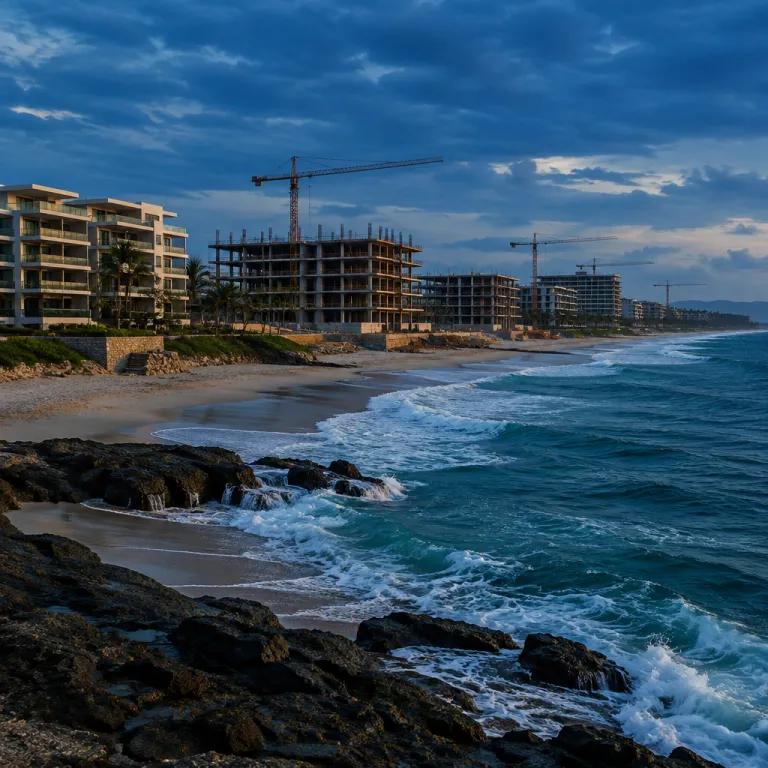
World Tourism Day lands in Mexico just as the phrase hotel Mexico 2026 stops being a search term and becomes a stress test for the industry. With 247 new hotel projects and 36,646 rooms under construction, Mexico is carrying roughly one third of Latin America’s entire development pipeline and forcing a conversation about what luxury really means in a country already defined by sun, playa and service. For business travellers stretching a board meeting into a long weekend, that conversation will shape where you sleep, how you move between city and coast, and whether the promise of Mexico luxury translates into real value behind the polished lobby.
National occupancy has climbed to 65 percent while coastal resorts command an average daily rate above 400 dollars, so every new hotel in Mexico must now justify its star rating with more than marble and mezcal. The best hotels are leaning into sharper positioning, from adults only inclusive concepts on white sand stretches near Isla Mujeres to urban properties in Mérida or Morelia that treat fitness, art and gastronomy as seriously as room product. When you scan an official website for a five star hotel Mexico 2026 opening, look past the renderings and ask whether the property is adding something meaningful to its city or simply chasing volume in an already crowded Riviera Maya or Los Cabos strip.
Urban getaways are where this balance sheet becomes most interesting, because Mexico’s cities are absorbing a growing share of those 247 projects. Mexico City, Guadalajara and Monterrey now compete directly with Cancún, Playa del Carmen and Puerto Morelos for high class travellers who want business infrastructure by day and neighbourhood character by night. For guests who enjoy both boardrooms and mezcalerías, the smartest hotels best positioned for hotel Mexico 2026 will be those that stitch together airport shuttle efficiency, intuitive shuttle service to meetings and a sense of place that still feels unmistakably Mexican.
Urban getaways beyond the beach: where business meets leisure
The most interesting story behind hotel Mexico 2026 is not another all inclusive tower on Playa del Carmen’s coastline, but the rise of second tier cities that now post the fastest growth in the country. Morelia, Mérida and even Acapulco are registering double digit increases in hotel demand, signalling that executives are no longer content to fly in and out of a single city when they can add two nights in a colonial centre or agave country. If you are planning a business trip to Guadalajara, pairing it with an urban escape in Tequila or a design forward stay in the historic core can turn a routine meeting into a weekend that feels curated rather than improvised.
For a concrete example, look at how high class properties around Guadalajara’s agave fields now market themselves to business travellers who will extend their stay. Many hotels offer an airport shuttle directly to the city, then a private shuttle service out to the campos de agave, allowing guests to enjoy exclusive tastings without sacrificing Monday morning productivity back in the city. Our guide to a long weekend in Tequila country shows how a well chosen hotel in Mexico can bridge boardrooms and blue agave rows in a single itinerary.
Urban hotels best suited to this business leisure persona now treat fitness and wellness as non negotiable, with 24 hour gyms, lap pools and in room equipment that match the standards of coastal resorts. In Mexico City, for example, five star hotels along Paseo de la Reforma or in Polanco combine serious meeting space with high ceiling suites, strong fitness offerings and restaurants that rival anything in Playa del Carmen or Riviera Maya. When you evaluate hotel Mexico 2026 options in these cities, look for properties where guests enjoy both efficient business services and a neighbourhood that rewards walking out the door after your last call.
Riviera Maya, Cancún and the new rules of coastal luxury
On the Caribbean side, hotel Mexico 2026 is shorthand for a coastline in flux, from Playa del Carmen down through Riviera Maya and across to Isla Mujeres and Mujeres Cancún. The region’s most ambitious openings are no longer content with generic all inclusive formulas ; instead, they are experimenting with adults only wings, elevated fitness concepts and culinary programs that feel closer to Mexico City than to a buffet line. Properties like Hotel Xcaret México have set a new benchmark by combining a high star rating with immersive access to nearby parks, cenotes and cultural experiences that go far beyond white sand and wristbands.
When you browse the official website of any Riviera Maya resort, pay attention to how clearly it explains what is truly inclusive for adults and families. Some of the best hotels now bundle airport shuttle transfers, shuttle service to partner beach clubs and access to off site restaurants, while others still treat these as add ons that quietly inflate the bill. In our view, hotels best aligned with the hotel Mexico 2026 moment are transparent about what guests enjoy without surcharge and how their sustainability commitments shape everything from energy use to reef friendly activities.
Across Playa del Carmen, Puerto Morelos and down toward Tulum, the most compelling Mexico luxury properties are those that respect the coastline’s limits while still allowing travellers to enjoy exclusive experiences. That might mean a low rise resort with fewer rooms but higher class service, or a reimagined adults only wing that reduces density on the playa and protects turtle nesting zones. For a sense of how large scale projects can still aim for nuance, look at the new generation of Cancún openings such as the Grand Hyatt in Puerto Cancún, which we review in depth in our feature on Puerto Cancún’s bid to rival the Hotel Zone.
Mexico luxury, responsibility and how to read a five star promise
World Tourism Day is when hotel Mexico 2026 stops being a pipeline statistic and becomes a question of responsibility for every five star property in the country. With 22.4 million tourist hotel stays projected for the peak summer season and national occupancy edging upward, the pressure on destinations like Los Cabos, Riviera Maya and Isla Mujeres is not just about capacity but about how each new hotel in Mexico shapes its surroundings. For travellers, the practical question is simple : how do you separate marketing gloss from hotels best positioned to handle this growth with integrity.
Start with the basics of any star rating, then read between the lines of the official website to see how a property treats its staff, its neighbours and its stretch of playa. In Los Cabos, for example, some of the best hotels now publish clear sustainability reports, limit new construction along fragile dunes and invest in local training programs that raise the overall class of service across the destination. Mexico luxury is evolving from a focus on imported finishes to a model where guests enjoy exclusive experiences precisely because the surrounding community is thriving rather than displaced.
Urban pioneers have been signalling this shift for years, and the story of Mexico’s original design forward hoteliers is a useful compass for reading hotel Mexico 2026 claims. Our analysis of how Mexico’s lobby centric innovators keep reinventing the guest experience shows why lobbies, rooftops and public spaces matter as much as suites in any serious city hotel. As you plan your next stay, whether in Mexico City, Playa del Carmen, Riviera Maya or a rising destination like Puerto Morelos, treat every five star promise as an invitation to ask better questions about how your presence shapes the place you are briefly calling home.
FAQ
How should business travellers choose a hotel in Mexico for a work trip with added leisure days ?
Prioritise locations that balance business infrastructure with neighbourhood character, such as Polanco in Mexico City or the financial district in Guadalajara near historic quarters. Look for hotels that offer reliable airport shuttle options, strong Wi Fi, quiet meeting spaces and late checkout policies that suit flexible schedules. Then check whether the property provides easy access to restaurants, galleries or fitness facilities so your added leisure days feel integrated rather than bolted on.
Are all inclusive resorts in Riviera Maya still a good option for high end travellers ?
All inclusive resorts in Riviera Maya have evolved, and the best hotels now focus on quality rather than quantity. High end properties often include à la carte dining, premium drinks, curated excursions and adults only areas that feel calm and well designed. When comparing options, read the fine print on what is truly included and look for resorts that publish clear sustainability practices and limit overcrowding on the beach.
What makes urban getaways in Mexico attractive compared with traditional beach destinations ?
Urban getaways in cities like Mérida, Morelia and Mexico City offer dense culture, serious dining and walkable neighbourhoods that beach resorts cannot replicate. Travellers can move between museums, markets and meetings in minutes, then return to hotels that feel plugged into local life rather than insulated from it. For many business leisure guests, this mix of efficiency and authenticity is more appealing than spending the entire trip inside a coastal resort compound.
How can I tell if a new five star hotel in Mexico is genuinely sustainable ?
Look for concrete commitments rather than vague green language, such as published energy targets, water treatment systems, reef safe activity policies and local hiring programs. Serious hotels often partner with recognised environmental organisations and share annual progress reports on their websites. You can also check whether the property limits new construction in sensitive areas like dunes, mangroves or turtle nesting beaches.
Is it safe and practical to rely on hotel shuttle services in Mexican cities and resorts ?
In major destinations, hotel operated shuttle service and airport shuttle transfers are generally reliable and convenient, especially for late arrivals or tight schedules. Many luxury and premium hotels use vetted drivers, track flights and include transfers in certain room categories or packages. For added flexibility, combine hotel transport with trusted local taxi services or app based options once you are familiar with the area.