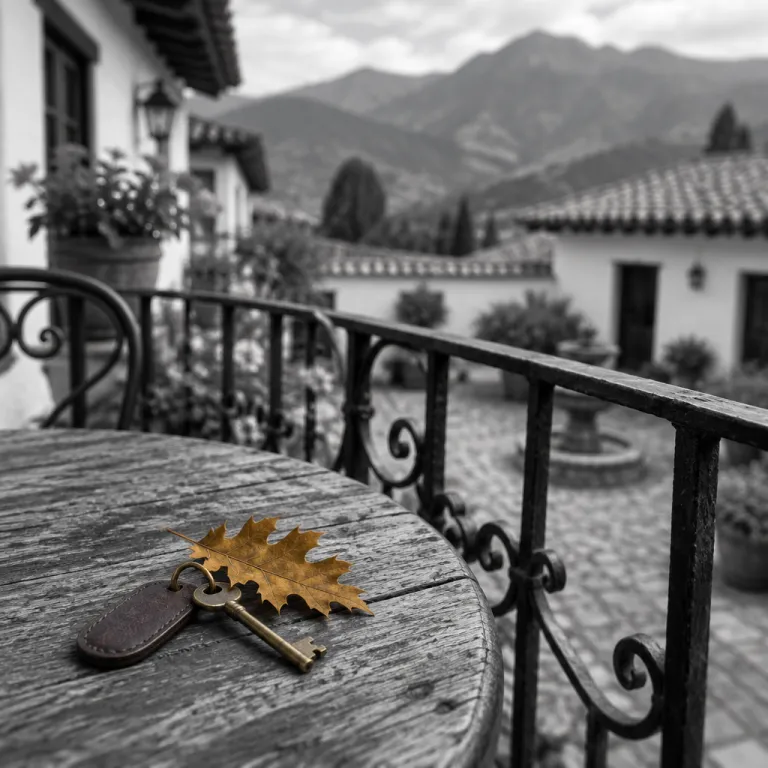
October’s quiet luxury: why mexico highlands autumn travel matters
Mexico highlands autumn travel is about space, silence and soft light. In October the season in Mexico shifts gently, with crisp mornings in the mountains and long afternoons that feel made for slow travel experiences. You feel the change in the air more than on a calendar, especially when you step out of a highland city hotel at 2 000 metres and the sun still warms your face.
For luxury travelers this time of year brings thinner crowds, more attentive service and a better chance of meaningful upgrades. High end properties in colonial cities such as San Miguel de Allende, Guanajuato and Oaxaca City often have higher suite availability, because the big winter rush has not yet arrived and the year round business travel segment briefly dips. That calm extends beyond the lobby, into galleries, mezcal bars and quiet plazas where you can actually read a menu without competing with a dozen other tables for attention.
October also sits just before the Día de Muertos build up, which means you can feel the cultural tension rising without paying peak rates or fighting for space on every road into town. In Oaxaca City, for example, you might watch artisans painting papel picado in a shaded courtyard while your concierge arranges a private visit to a nearby village altar, all framed by highland hills that glow in late afternoon fall color. As one Oaxaca hotel manager put it, “late October is when we still recognize every face at breakfast, but the marigolds are already everywhere.” This is Mexico travel at its most nuanced, when the lifestyle of locals still sets the rhythm and visitors simply fall into step.
Think of this shoulder season as a national invitation to slow down and look closer. The highlands of central Mexico are not about a dramatic fall foliage spectacle like a circle scenic drive in New England, but about golden light on cantera stone, marigolds stacked three feet high in markets and the way smoke curls from a rooftop comal at dusk. For travelers used to crowded resort corridors, that shift in pace can feel as restorative as any spa treatment.
Highland cultural hotspots: colonial cities, canyons and pine forests
The most rewarding Mexico highlands autumn itineraries focus on a few key regions rather than frantic multi city trips. Start with the great colonial cities of the central plateau, where altitude, history and hospitality intersect in a way that flat coastal resorts simply cannot match. San Miguel de Allende, Guanajuato City and Querétaro sit between 1 800 and 2 100 metres, high enough for crisp evenings yet low enough that most travelers adjust comfortably.
In these cities the architecture does the talking, from baroque façades to narrow alleys that suddenly open onto big plazas. Oaxaca City, further south, adds a sharper cultural edge, with contemporary art spaces, mezcal tasting rooms and markets that feel like national monuments to regional cuisine. If design forward stays are your priority, study the Guadalajara hotel and gallery scene through a detailed guide to the city’s design hotel circuit and creative studios, then pair it with a few nights in the quieter highland towns of nearby Jalisco.
Beyond the urban grid, highland Mexico travel in autumn opens up canyon country and pine forest retreats. In the Sierra Gorda of Querétaro, winding road journeys link tiny missions, cloud forest viewpoints and small hot springs where steam rises into cool cold air. Driving from Querétaro City to Jalpan de Serra, for example, usually takes around four hours, long enough to feel remote but still manageable in a day. Farther north, the Copper Canyon region in Chihuahua offers some of the most dramatic mountains in the country, with viewpoints that drop thousands of feet to the canyon floor and luxury lodges that frame sunrise like a private circle scenic show.
These landscapes invite a different style of travel experiences than the coast. Days might start with a guided hike through oak forest, continue with a long lunch in a restored hacienda and end with a mezcal tasting under a sky so clear you can read constellations. One concierge in San Miguel de Allende described a typical October day for solo guests as “a morning in the galleries, an afternoon in the vineyards and a firelit terrace by nine.” The rhythm suits solo travelers who prefer depth over speed, and who value a hotel team that can arrange a last minute detour to a nearby state park or artisan village without fuss.
Weather, expectations and timing your stay around october
Weather is where Mexico’s highland autumn diverges sharply from the country’s beach narrative. In the central plateau, October usually means blue skies, low humidity and daytime temperatures that hover around 22–24 degrees Celsius, with evenings that can drop close to 10 degrees. Pack layers, not parkas, and expect that early morning coffee on a rooftop terrace may require a light jacket while midday still feels perfect for a courtyard pool.
Rain patterns also shift in this season in Mexico, especially in highland states such as Guanajuato, Querétaro and Oaxaca. The heavy summer storms ease, leaving behind clear air and hillsides that still hold a hint of green rather than the intense fall color bands you might associate with a northern national park. Think subtle changes instead, like the way jacaranda leaves thin out above a city street or how the late afternoon sun turns the stone of a colonial church façade almost copper.
Timing your stay around October also lets you tap into the pre Día de Muertos atmosphere without the crush. Arrive in Oaxaca City or Pátzcuaro a week or two before the main events and you can watch families building altars, markets filling with cempasúchil and pan de muerto, and hotel teams quietly preparing for the surge. In Pátzcuaro, for instance, the build up to the famous lake island vigils typically starts in the last week of October, when boatmen decorate their launches and local bakeries extend their hours. For a deeper look at how shoulder seasons work in practice, read the analysis of how luxury hotels breathe easier in September in the piece on Mexico’s early autumn upgrade window, then apply the same logic to your October plans.
From a booking perspective, this time of year often brings more flexible cancellation policies and a higher chance of complimentary perks. Properties that run at near full capacity from late November through Easter suddenly have space to offer late check out, better room positioning or access to experiences usually reserved for repeat guests. For solo travelers, that can translate into a quiet corner suite overlooking a historic city rather than an interior room facing a service road.
Designing your highland itinerary: pairing cities, hot springs and coastal detours
Thoughtful Mexico highlands autumn travel is less about ticking off a list of cities and more about composing a few strong contrasts. One effective pattern is to anchor your trip in a colonial city such as San Miguel de Allende or Oaxaca City, then add a rural extension to nearby mountains or hot springs. Three or four nights in town give you time to explore museums, markets and restaurants, followed by two or three nights where the loudest sound is wind in the pines.
Highland hot springs make a particularly satisfying counterpoint to cool cold October evenings. In Hidalgo, the Grutas de Tolantongo complex sits in a canyon where thermal pools cling to the cliff face, while in Aguascalientes and Guanajuato smaller, more discreet springs serve a mostly local crowd. A well connected concierge can arrange private transfers along the best road routes, avoiding heavy truck traffic and timing your arrival for quieter hours.
Some travelers like to add a final coastal chapter after their highland stay, using the calmer shoulder season to secure better rooms at luxury resorts. If you are considering a Pacific or Baja extension, study how to choose a refined oceanfront property through this guide to selecting the right Cabo resort setting, then apply the same criteria to your own Mexico travel plans. The contrast between highland mornings at 2 000 metres and barefoot evenings by the sea can feel like two trips in one, especially when flight connections line up cleanly.
Whatever route you choose, keep your itinerary focused and your expectations aligned with the realities of season in Mexico. October is not about dramatic fall foliage drives or circle scenic road trips like the Enchanted Circle Scenic Byway, the High Road to Taos or the Taos Scenic Byway that loops past Angel Fire, the Rio Grande Gorge and a national monument in New Mexico; those belong to a different landscape and a different state. Here the luxury lies in golden light on stone, in plazas that empty out by midnight and in hotel teams who have time, finally, to talk you through the story behind every piece of art on the wall.
FAQ
Is october a good time for luxury travel in Mexico’s highlands ?
October is one of the most rewarding months for luxury stays in Mexico’s highlands because demand is lower than in winter, yet weather is generally dry and mild. You benefit from thinner crowds in colonial cities, more attentive service and a better chance of room upgrades. It is also close enough to Día de Muertos that you can feel the cultural build up without paying peak rates.
Which highland cities work best as a base for cultural trips ?
San Miguel de Allende, Guanajuato City, Querétaro and Oaxaca City are strong bases for Mexico highlands autumn travel focused on culture. Each offers a dense concentration of architecture, museums and dining within a compact historic centre. From these hubs you can arrange day trips to nearby villages, vineyards, canyons or hot springs without long transfers.
How cool does it get in the highlands during autumn ?
Most highland cities sit between roughly 1 800 and 2 200 metres above sea level, so temperatures swing more than on the coast. Daytime highs often reach the low twenties Celsius, while nights can drop close to 10 degrees, especially in open plazas or rooftop bars. Pack layers so you can move comfortably from sunny afternoons to cool cold evenings.
Can I experience Día de Muertos without the biggest crowds ?
Arriving in late October, about a week before the main Día de Muertos dates, lets you see altars being built, markets filling with marigolds and bakeries preparing pan de muerto while streets remain relatively calm. Staying in a highland city such as Oaxaca or Pátzcuaro during this lead up period gives you access to the atmosphere without the heaviest congestion. Booking early with a flexible rate is wise, because even the quieter days around the festival attract international visitors.
How far in advance should I book luxury hotels for october ?
For most highland destinations, booking six to eight weeks ahead is usually enough to secure a good selection of rooms in luxury properties. If your dates overlap with major local events or the immediate days around Día de Muertos, consider reserving three months in advance, especially for smaller high end hotels. Flexible cancellation policies are common in this shoulder season, so you can often adjust plans without penalty if your schedule shifts.