Mexico City: polished urban stays for Estadio Azteca nights
Mexico City is the country’s pressure cooker for World Cup travel, and the energy around Estadio Azteca is already palpable. The capital is widely expected to host the tournament’s opening fixture, which means this host city will likely see the sharpest spike in hotel rates and the fastest sellout of luxury properties near key metro lines. For families who want a refined stay rather than a chaotic commute, Polanco, Reforma and Roma Norte are the smartest urban basecamps.
Think of Polanco as your polished village within the city, where a luxury hotel such as the Four Seasons Mexico City or the St. Regis Mexico City gives you calm rooms, serious amenities and quick access to Line 7 and Line 2 connections for reaching the stadium area in roughly 45–70 minutes depending on traffic. A typical route runs via Auditorio or Chapultepec stations, then onward by metro and taxi to Estadio Azteca, which sits by Estadio Azteca station on Line 2. These properties sit on or near Paseo de la Reforma, so guests enjoy tree lined outdoor spaces, skyline views and some of the best reputations for service in Latin America. In Roma Norte and Condesa, design forward stays like Condesa DF trade formality for a more relaxed tournament atmosphere, with leafy plazas, cafés and low key bars that still keep you within about 50–70 minutes of match action at Estadio Azteca when you combine metro and taxi.
Families chasing the best hotel options for the 2026 tournament should map their match days against Mexico City’s notorious traffic, then choose accommodations that minimise transfers with children. A Reforma stay works well if you want museums, Chapultepec Park and high end dining options between games, while Roma Norte and Condesa are better if you prefer walkable streets, independent restaurants and a more local bar scene. Wherever you stay, book through official channels such as the FIFA26 Accommodation Bureau or directly with your chosen hotel via its own website or reservations team, and treat any third party offers that seem too good to be true with caution.
Polanco is also where the city flexes its culinary muscle, which matters when you are planning long World Cup days around meals. You are within a short ride of Pujol and Quintonil, both regulars on global top lists, and a cluster of smaller restaurants that deliver tasting menus without the formality of a Michelin starred dining room. Between matches, families can enjoy relaxed dining in places like Lalo or Máximo in Roma, where the atmosphere is casual enough for kids but the food still feels like a proper big tournament level treat.
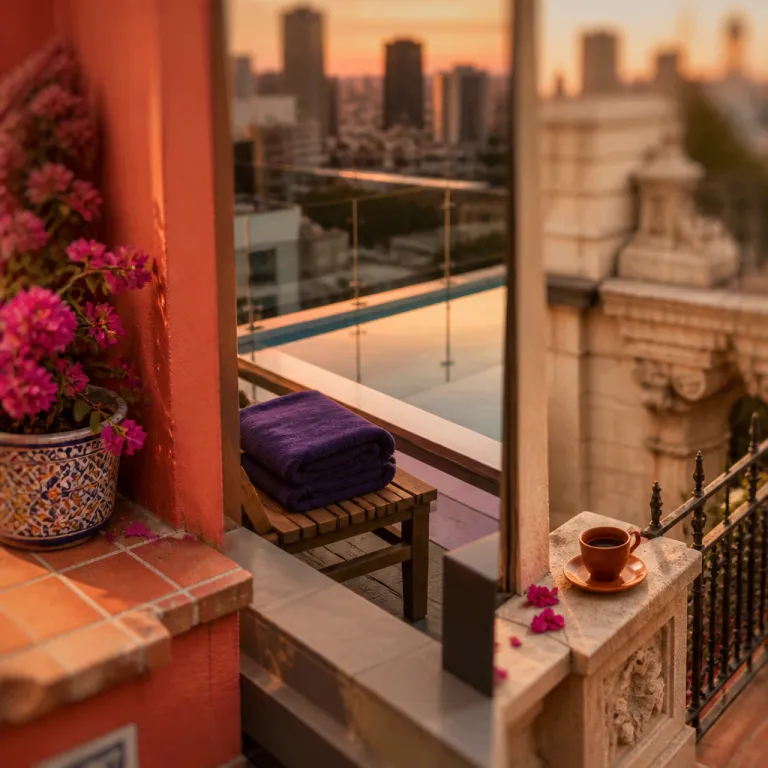
For urban getaways with a sense of occasion, look for properties with a rooftop terrace or rooftop pool, because Mexico City’s altitude keeps evenings pleasantly cool even in June. The St. Regis Mexico City offers a sleek indoor outdoor pool with skyline views, while several Polanco addresses hide smaller rooftop terraces that turn into quiet lounges after dark. These spaces become your private world above the city, ideal for a post match drink when younger fans are already asleep upstairs.
Families comparing accommodation for the 2026 World Cup will notice that some properties lean into resort style amenities, while others focus on efficient city living. A full service luxury hotel on Reforma might offer a kids’ club, spa, multiple dining options and a serious bar program, which suits longer stays or multi generational trips. Smaller design driven hotels in Roma or Condesa trade those amenities for characterful rooms, intimate outdoor courtyards and proximity to galleries, mezcalerías and neighbourhood taquerías that keep your World Cup stay firmly rooted in the local world beyond the stadium.
Guadalajara: Providencia, Lafayette and tequila country between matches
Guadalajara’s role in hosting 2026 fixtures is quieter than Mexico City’s, yet the city is already behaving like a rising star. Estadio Akron sits on the western edge of the metropolitan area, so your choice of neighbourhood matters if you want to balance match days with cultural days. For most luxury seeking families, Providencia and the Lafayette corridor offer the best mix of safety, dining and relatively quick access to the stadium ring roads, with typical drive times of 30–45 minutes on match days.
Providencia feels residential but polished, with tree lined streets, low rise buildings and a growing roster of luxury hotels and upper upscale accommodations. Here, you can stay in a contemporary hotel with a small outdoor pool, a rooftop terrace and family sized suites, then reach Estadio Akron in around thirty to forty minutes by car depending on traffic. Lafayette, closer to the historic centre, is denser and more urban, but it rewards you with art galleries, cafés and some of the city’s most interesting restaurants within walking distance.
Guadalajara has recently attracted attention from the Michelin Guide, which changes how you plan your football travel itinerary. Tables at Xokol and Alcalde are now among the hardest to secure in the country, so you should book dining slots as early as your match tickets and hotel rooms. This is where the world of football meets the world of serious dining, and it is entirely possible to schedule a late seating after an afternoon game if you choose a stay in Lafayette or Americana rather than far flung suburbs.
Families who care about food should look for properties that take dining options seriously, not just a generic lobby bar and breakfast buffet. In Providencia and Lafayette, several top hotels now work with local chefs to offer menus that reference Jalisco’s agave fields, lake fish and regional chiles, which makes even a quick room service dinner feel rooted in place. When you compare accommodation choices for the 2026 tournament, prioritise those that highlight local restaurants in their concierge recommendations, because that is a reliable proxy for a hotel that understands its city.
Between matches, Guadalajara becomes your launchpad for tequila country, and this is where a smart urban stay pays off. From Providencia or Lafayette, you can join early morning trains or private transfers into the agave landscape, then return to a luxury hotel with a quiet outdoor courtyard, a small outdoor pool and connecting rooms for tired children. For a deeper planning guide to agave country and where to sleep, our dedicated piece on a long weekend in tequila country offers route ideas that pair neatly with World Cup fixtures.
Guadalajara’s hotel market is also reacting to the wider surge in demand around 2026, with rates climbing and availability tightening around match days. The city will not feel as saturated as Mexico City, but the best hotels in Providencia and Lafayette are already seeing strong advance bookings from international fans. To keep your tournament experience smooth, lock in flexible rates early through the FIFA26 Accommodation Bureau or directly with your chosen hotel, then adjust dates once the final bracket clarifies your exact match schedule.
Monterrey: Sierra views, San Pedro towers and BBVA match days
Monterrey is the industrial north’s answer to Mexico’s World Cup hosting duties, a city where glass towers meet the Sierra Madre and football is a weekly ritual. Estadio BBVA sits in Guadalupe to the east, but most luxury hotels cluster either in San Pedro Garza García or around the regenerated Barrio Antiguo and Macroplaza area. Choosing between these two worlds will shape your entire stay.
San Pedro Garza García is Monterrey’s polished business and residential enclave, home to high rise luxury hotels, international restaurants and shopping centres that feel closer to Dallas or Houston than to a traditional Mexican city. Here, new towers are reshaping the skyline, and several international brands are expected to expand their presence, bringing fresh competition to established top properties. Families who stay in San Pedro enjoy generous rooms, strong amenities, rooftop pools or outdoor pools with mountain views and easy access to private transfers for match days at Estadio BBVA, usually 25–40 minutes away by car.
Barrio Antiguo and the Macroplaza area offer a different Monterrey, one that leans into history, street life and proximity to Fundidora Park. This district works well for travellers who want to walk to museums, cafés and bars, then take organised shuttles or rideshares to the stadium on match days. When you compare hotel options for the 2026 competition, you will find that Barrio Antiguo properties may be smaller but often deliver more characterful public spaces, including rooftop terraces that frame the Sierra Madre at sunset.
Between games, Monterrey rewards families who like to be outdoors, and this should influence your choice of accommodations. Fundidora Park, built on a former steel foundry, offers cycling paths, playgrounds and cultural venues, while nearby trails in the surrounding mountains give you half day hikes with serious views. A hotel that can arrange early morning transfers, packed breakfasts and late checkout becomes a quiet luxury in a city where daytime temperatures can climb quickly.
Monterrey’s dining scene is anchored in grilled meats and northern hospitality, but the city is slowly broadening its repertoire. In San Pedro and around Barrio Antiguo, you will find restaurants that reinterpret cabrito and carne asada alongside lighter options, which helps when you are travelling with children or planning back to back match days. Look for hotels that either host respected restaurants in house or sit within a short walk of multiple dining options, because you will not always want to cross the city after a late World Cup kick off.
For families tracking accommodation across all three Mexican host cities, Monterrey often ends up as the most affordable luxury stop, at least compared with Mexico City’s Polanco or Guadalajara’s most in demand addresses. That relative value will narrow as the tournament approaches, especially for properties with strong amenities such as pools, kids’ programs and large suites. Booking early, choosing flexible rates and aligning your stay with non peak match days can turn Monterrey into the smart anchor of your wider World Cup itinerary in Mexico.
Booking strategy, global context and life beyond the final whistle
Planning where to stay for the 2026 World Cup in Mexico is not just about picking a favourite city; it is about sequencing your stays across Mexico City, Guadalajara and Monterrey in line with the tournament calendar. Group stage matches run through late June, while knockout rounds stretch into mid July, and each phase brings different price dynamics in the host cities. Early rounds mean more predictable schedules, while later stages reward flexible travellers who can pivot as their team advances.
Mexico is co hosting with the United States and Canada, so many families will stitch Mexican stays together with nights in host cities such as Dallas, Seattle, Los Angeles, Miami Beach, Toronto, New York City, San Francisco or Beverly Hills. That broader trip planning puzzle makes it even more important to secure anchor reservations in Mexico’s three venues before you start playing with side trips. Remember that the hospitality sector is already reporting revenue per available room well above pre tournament levels, and that the most desirable luxury hotels are unlikely to discount late.
When you compare high end stays in Mexico with options in places like a Ritz Carlton in a U.S. gateway city, you will notice that Mexican properties often deliver more generous space and warmer service at a similar price point. The trade off is that urban infrastructure around each stadium can be more complex, which is why choosing the right neighbourhood matters as much as choosing the right hotel. A well located luxury hotel in Mexico City, Guadalajara or Monterrey can turn a potentially stressful match day into a smooth, almost ceremonial World Cup experience.
Families should also think about what happens when the final whistle blows and the crowds thin. Mexico City rewards longer stays with museums, markets and neighbourhoods that feel entirely separate from the World Cup, while Guadalajara opens up into Lake Chapala and tequila country once match traffic eases. Monterrey, for its part, becomes a gateway to the Sierra Madre and quieter industrial heritage sites, which you can explore in more depth if you extend your stay beyond your last ticketed game.
Because tournament dates coincide with the country’s broader summer high season, it is worth studying which properties genuinely earn their peak rates. Our curated July and August Mexico hotel shortlist highlights stays that justify their pricing with thoughtful amenities, strong service and a sense of place, rather than just proximity to a stadium. Use that lens when you evaluate offers in the three Mexican host cities, and you will quickly see which hotels are built for long term reputations rather than short term tournament gains.
Finally, remember that your World Cup hotel choices are only one part of a larger travel ecosystem that includes flights, ground transport and post match escapes to the coast. Many families will pair urban stays with a few days in beach destinations such as Tulum, where choosing the right stretch of sand can make or break the trip; our guide on where to stay in Tulum is a useful companion when you start planning that final decompression stop. Approach the tournament as a chance to experience Mexico’s cities at full volume, then wind down by the sea once the stadium lights dim.
FAQ
How early should I book my hotel for matches in Mexico ?
For Mexico City, Guadalajara and Monterrey, you should secure your preferred hotel as soon as you have a rough idea of which matches you want to attend. Demand in these host cities is already pushing rates well above previous benchmarks, especially for luxury hotels near efficient transport routes to each stadium. As a loose guide, five star rooms that might normally sit around US$250–400 per night can climb to US$450–700 or more on key match dates, particularly in Polanco, Providencia and San Pedro Garza García. Flexible, refundable reservations give you room to adjust dates later as the final match schedule and your team’s progress become clearer.
Is it better to book through FIFA or directly with the hotel ?
The safest approach for 2026 accommodation in Mexico is to compare both options. The FIFA26 Accommodation Bureau aggregates vetted accommodations and can simplify logistics if you are following multiple matches across different cities, while direct bookings sometimes offer better loyalty benefits or room categories. Whichever route you choose, avoid unverified third party platforms during such a high demand event.
Can I find family friendly luxury hotels near the Mexican stadiums ?
Yes, but “near” usually means within a reasonable drive rather than walking distance, especially in Mexico City and Monterrey. In practice, families should prioritise safe, well connected neighbourhoods such as Polanco, Reforma, Roma Norte, Providencia, Lafayette and San Pedro Garza García, then arrange private transfers or trusted taxis for match days. Many of the best hotels in these areas offer suites, connecting rooms, pools and kid friendly dining options that work well for multi night stays.
Are there budget friendly options in the Mexican host cities ?
Each host city offers a spectrum of accommodations, from simple guesthouses to full service luxury hotels, although prices will rise across the board during the tournament. Travellers on tighter budgets should look slightly beyond the most fashionable districts, stay flexible on exact dates and book early to lock in lower rates. Using official channels such as the FIFA26 Accommodation Bureau also reduces the risk of overpaying for unverified properties.
How should I split my time between Mexico’s three host cities ?
The ideal split depends on your match tickets and travel style, but many visitors will anchor their trip with more nights in Mexico City, then add shorter stays in Guadalajara and Monterrey. If you are following a specific team, align your hotel nights with that team’s likely venues during the group stage, then keep some flexibility for knockout rounds. Families who value slower travel may prefer to focus on one or two cities, then add a beach or countryside extension once their last match is over.